
HSK Words: 渴望 (kě wàng) VS 期望 (qī wàng)

Tuesday, December 26, 2023

In Chinese language learning, 渴望 (kě wàng) and 期望 (qī wàng) are two HSK words that  are related to desire or wish, their usage and meanings differ slightly. In this article, we will distinguish between these two words by analyzing their meanings and usage.
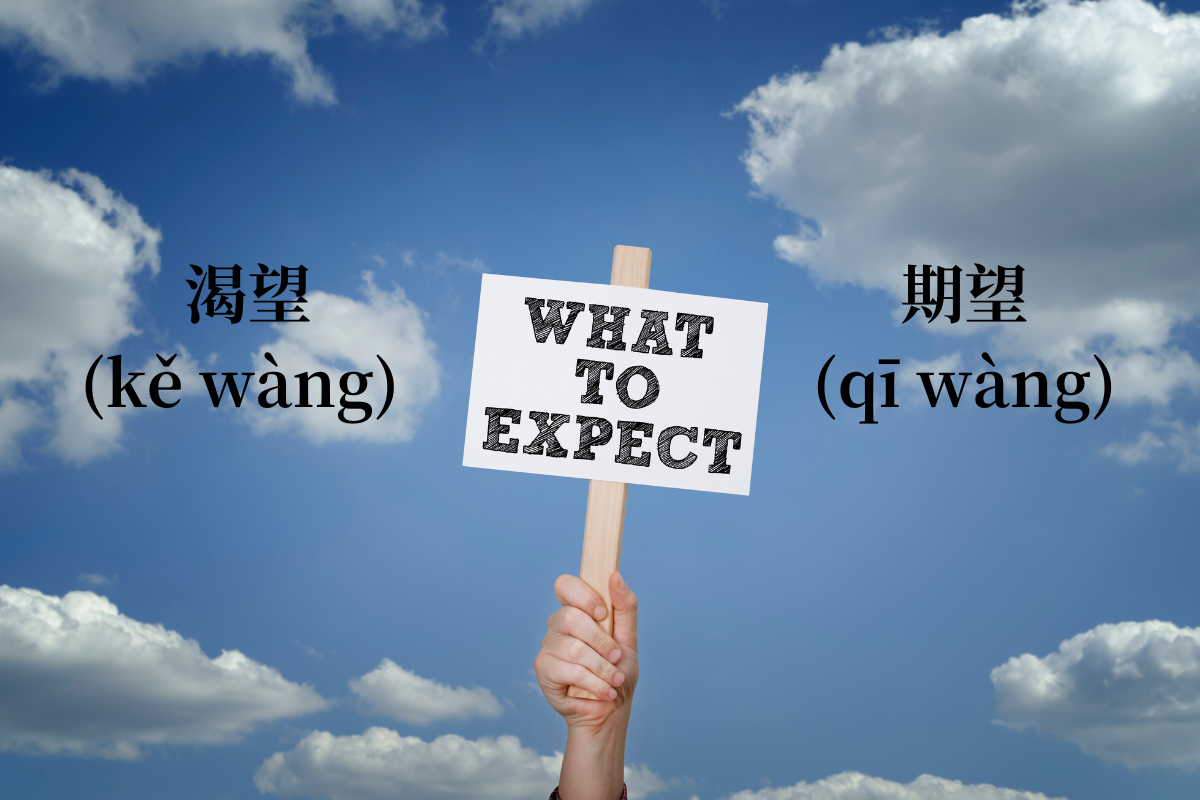
渴望 (kě wàng) typically refers to a strong desire or longing for something. It emphasizes the intensity of the desire, often with a sense of urgency or yearning.

Examples:

  1. I crave success and want to realize my dreams.
    我渴望成功,想要实现自己的梦想。
    wǒ kě wàng chéng gōng , xiǎng yào shí xiàn zì jǐ de mèng xiǎng 。
  2. He aspired to that position and put a lot of effort into it.
    他渴望得到那个职位,为此付出了很多努力。
    tā kě wàng dé dào nà gè zhí wèi , wèi cǐ fù chū le hěn duō nǔ lì 。
  3. She longs to be reunited with her family and looks forward to that day.
    她渴望与家人团聚,期待着那一天的到来。
    tā kě wàng yǔ jiā rén tuán jù , qī dài zhe nà yī tiān de dào lái 。

期望 (qī wàng) typically refers to the hope or wish for something to happen or be achieved. It emphasizes the wish or aspiration for something positive, often with a sense of anticipation or optimism.

Examples:

  1. I expect to do well on this test.
    我期望这次考试能取得好成绩。
    wǒ qī wàng zhè cì kǎo shì néng qǔ de hǎo chéng jì 。
  2. Parents expect their children to be healthy.
    家长们期望孩子们健康成长。
    jiā zhǎng men qī wàng hái zi men zhǎng jiàn kāng chéng zhǎng。
  3. We look forward to the successful completion of this project.
    我们期望这个项目能够顺利完成。
    wǒ men qī wàng zhè gè xiàng mù néng gòu shùn lì wán chéng 。

By understanding the differences in meaning and usage, we can better distinguish between these two similar HSK words and use them appropriately in our Chinese language communication.

Quiz: Please consider whether to use 渴望 (kě wàng) or 期望 (qī wàng) in the following sentences.

  1. 我们____来年会有更进一步的改善。
    wǒ men ____ lái nián huì yǒu gèng jìn yī bù de gǎi shàn 。
  2. 人民____和平。
    rén mín ____ hé píng 。
  3. 我们都____健康和幸福。
    wǒ men dū ____ jiàn kāng hé xìng fú 。

Answers:

  1. 期望 (qī wàng)
  2. 渴望 (kě wàng)
  3. 渴望 (kě wàng)

Sign up for a free trial now!

FAQ / Tips

Our Chinese learning method is focused on personalized and interactive one-on-one lessons with a professional teacher. The lessons are conducted live through our online teaching platform, which allows you to see and talk to the teacher. You can schedule the lessons at a time that suits you, and the teacher will tailor the lesson content to your specific needs and goals. During the lesson, you can ask questions and receive feedback from the teacher to ensure you understand and master the knowledge and skills being taught. We also have a student service team and academic coordinator team to assist you with your learning and provide any additional support you may need.Overall, our method is designed to be flexible, personalized, and interactive to help you achieve your language learning goals.
Our learning is different from traditional language learning in a number of ways. Firstly, we use technology to enhance the learning experience and provide personalized learning paths for each student. Secondly, our focus is not just on language proficiency, but also on cultural understanding and practical application of the language.Thirdly, we place a strong emphasis on developing speaking and listening skills, as well as reading and writing.Additionally, we incorporate modern teaching methods and materials, such as multimedia resources and interactive exercises.Finally, our courses are designed to be flexible and adaptable, allowing students to learn at their own pace and according to their own schedule.
Yes, our website offers courses in both traditional and simplified Chinese characters. You can choose the character set that you want to learn based on your personal preference or learning goals.Our courses are designed to accommodate learners of all levels and backgrounds, so whether you are a beginner or an advanced learner, we have resources that can help you improve your Chinese language skills.
Our instructors are highly skilled and experienced experts in Chinese language teaching, with proficiency in multiple languages. They hold at least a bachelor's degree in teaching Chinese as a foreign language, and possess extensive teaching experience and knowledge. Through a rigorous selection process and ongoing training, our instructors are equipped to provide students with authentic pronunciation, accurate language usage, and cultural background knowledge, all of which are essential for achieving mastery of the Chinese language.
Thank you for choosing Chinese Learning for your language learning needs.If you need to cancel or reschedule a lesson, please do so at least 4 hours ahead of time. To request a cancellation, please send an email to ivy.wang @chineselearning.com or service @chineselearning.com.We appreciate your cooperation and understanding, and we look forward to providing you with the best learning experience possible."
We offer secure and convenient payment options, including PayPal. PayPal is a widely recognized and trusted online payment platform that provides a secure way to make transactions. We also follow industry-standard security protocols to ensure the safety of your personal and financial information.