In the realm of Chinese internet culture, new trending terms emerge periodically, often reflecting the attitudes, cultural tastes, and modes of emotional expression among the youth. One such term that has garnered attention in recent years is "emo". Today, we delve into the meaning, origins, and popularity of this term in the Chinese online sphere.
What is Emo?
Emo is derived from the English word "emotional" and initially described a style of emotional expression and culture. Typically, figures in Emo culture are known for their deep, introspective emotional 情绪的 (qíng xù de) expressions and a distinctive fashion style. They tend to channel their innermost feelings and conflicts into music, writings, and clothing as a means to seek emotional resonance and a sense of belonging.
情绪的 (qíng xù de), adj, emotional
Examples:
- Her reaction is very emotional.
她的反应很情绪的。
Tā de fǎnyìng hěn qíngxù de. - I feel emotional about that story.
我对那个故事感到情绪的。
Wǒ duì nàge gùshì gǎndào qíngxù de.
Popularity of Emo in the Chinese Internet
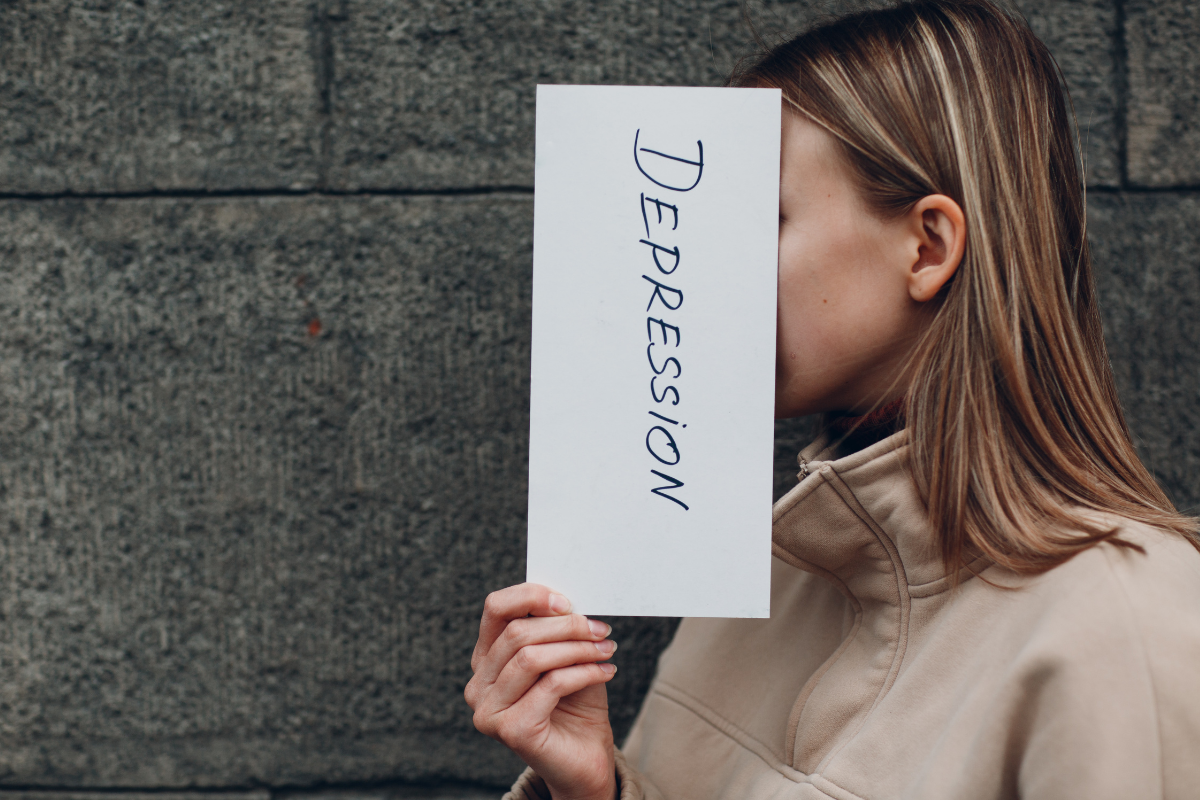
In recent years, with the widespread use of social media and the internet, Emo culture has gradually gained traction among Chinese youth. In online Chinese communities 社区 (shè qū), the term "emo" is often used to describe individuals who are emotionally rich, introspective, and have a unique appearance. Additionally, specific Emo emoticons and trend cultures are associated with it, such as black clothing, painted nails, and specially styled hairdos.
社区 (shè qū), noun, communities
Examples:
- Our community is very friendly.
我们的社区很友好。
Wǒmen de shèqū hěn yǒuhǎo. - This community has many activities.
这个社区有很多活动。
Zhège shèqū yǒu hěnduō huódòng.
Background and Characteristics of Emo Culture
Emo culture originated in the United States in the 1980s as a representative music genre and later evolved into a distinct lifestyle and cultural label. Emo music is known for its heartfelt lyrics and melancholic melodies, serving as a means of emotional expression for many young people.
Aside from music, Emo culture is also reflected in clothing, hairstyles, and aesthetics. Emo-style clothing often revolves around the color black, emphasizing individuality and uniqueness, reflecting the desire and pursuit of self-expression among youth. Furthermore, Emo culture emphasizes the authenticity and depth of emotional expression, advocating for the exploration and expression of genuine inner feelings.
Key Sentences:
- I feel like I'm feeling emo.
我觉得我emo了。
Wǒ juédé wǒ emo le. - I'm in a bad mood, feeling emo all week.
我心情很差,整周都很emo。
Wǒ xīnqíng hěn chà, zhěng zhōu dōu hěn emo. - After being emo for a week, she regained her vitality.
她emo了一周后又恢复了活力。
Tā emo le yī zhōu hòu yòu huīfù le huólì.