
"The Boy Who Cried Wolf," originating from Aesop's Fables in ancient Greece, tells the story of a young shepherd boy entrusted with guarding the village's flock of sheep. Whenever he felt bored or sought attention, he would falsely cry out, "Wolf is coming!"Hearing the alarm, villagers would rush to his aid, prepared to fend off the wolf. However, each time he cried wolf, it was a false alarm, and there was no actual danger. The boy's deception troubled the villagers, and they gradually lost trust in him.
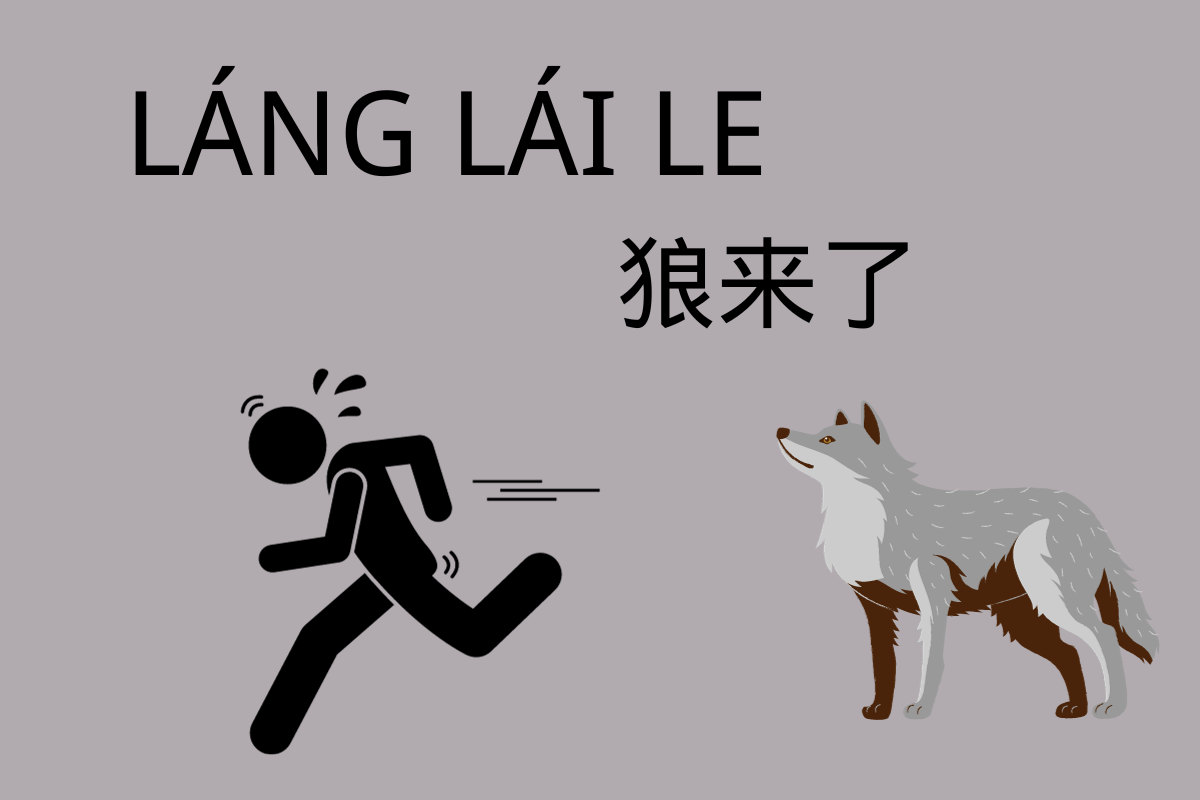
However, when a real wolf did attack the flock, the young shepherd boy cried out for help once more. This time, though, the villagers, believing it to be another false alarm, paid no heed to his warning. As a result, the wolf savagely preyed upon many sheep, causing significant losses. This story underscores the idea that frequent deception and false alarms警报(jǐngbào) can erode trust, making it difficult to respond effectively to genuine danger.
警报(jǐngbào),noun,alarms
The fire alarms alerted everyone to evacuate.
火警报警示所有人撤离。
Huǒ jǐngbào jǐngshì suǒyǒurén chèlí.
He installed a security alarm system.
他设置了安全警报系统。
Tā shèzhìle ānquán jǐngbào xìtǒng.
Inspiration
"The Boy Who Cried Wolf" serves as a cautionary tale against the misuse of lies and false alarms, as it can diminish trust and vigilance. It emphasizes the importance of honesty and integrity诚实(chéngshí), reminding us to build a reliable reputation through consistent words and actions. Simultaneously, the story teaches us how to respond to real dangers, lest they lead to severe consequences.
诚实(chéngshí),noun,integrity
She has a reputation for integrity and honesty.
她以诚实和正直而闻名。
Tā yǐ chéngshí hé zhèngzhí ér wénmíng.
Integrity is an important virtue.
诚实是一种重要的美德。
Chéngshí shì yīzhǒng zhòngyào de měidé.
Meaning of the Term
In contemporary language, "The Boy Who Cried Wolf" is often used to refer to false alarms or deceptive warnings. It is commonly employed to describe individuals who frequently spread false information or engage in dishonest behavior, which may lead to misunderstandings or harm to others.
When the alarm sounded, everyone panicked: "The wolf is coming!"
警报响起,大家惊慌失措:"狼来了!"
Jǐngbào xiǎng qǐ, dàjiā jīnghuāng shīcuò: "Láng lái le!"
"The wolf is coming!" he yelled to prank his friend, who laughed.
"狼来了!" 他大声喊,逗笑了他的朋友。
"Láng lái le!" tā dàshēng hǎn, dòu xiàole tā de péngyǒu.
Avoid using the "The wolf is coming" phrase frequently to ensure that real dangers are taken seriously.
避免频繁使用"狼来了"的说法,以确保真正的危险能够被重视。
Bìmiǎn pínfán shǐyòng "láng lái le" de shuōfǎ, yǐ quèbǎo zhēnzhèng de wēixiǎn nénggòu bèi zhòngshì.