As an ancient religious ritual, the incense-burning culture of China has been continued for nearly thousands of years, with its history even tracing back to ancient times. Initially used for exorcism or worshiping spirits, it gradually expanded in its application. The most common use is ancestor worship, which continues to this day. This article will uncover the mysterious veil of the incense-burning culture for you.
The Purposes of Incense Burning:
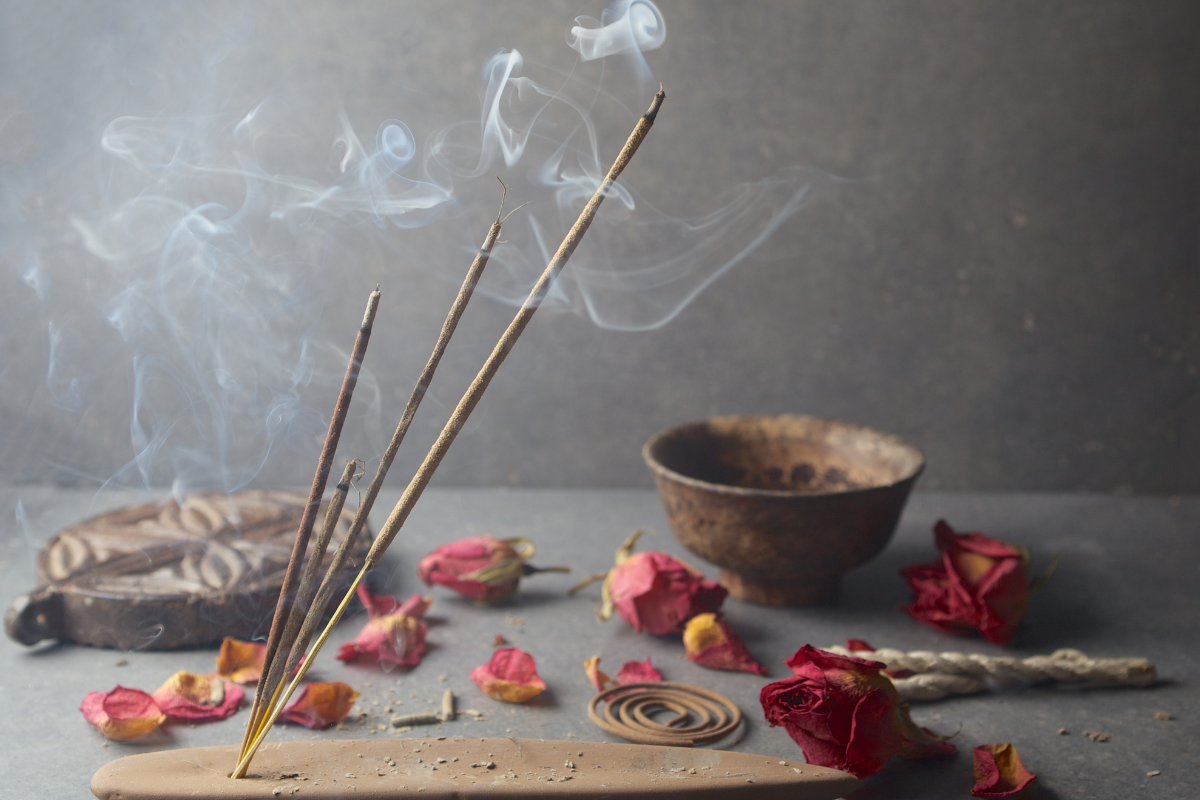
By igniting the incense, the devout believers' sincere wishes are conveyed along with the scent of incense to the heavens. When sacrificing祭祀(jì sì) ancestors or mourning loved ones, the incense represents the deep yearning and memories of the living for the deceased. With this kind of spiritual support, people can look forward to the future and correctly handle the departure of their loved ones. In addition, the daily use of incense is also extensive. It can be used for self-cultivation, for example, the unique fragrance of incense can purify the air, repel mosquitoes, and contribute to creating a tranquil, focused atmosphere. In some cultural and artistic activities, such as tea ceremonies and classical music, burning incense can enhance the artistic ambiance and elevate aesthetic experience.
祭祀(jì sì), verb or noun, sacrifice
Examples:
This is the most important day of sacrifice.
它是一年中最重要的祭祀日。
tā shì yì nián zhōnɡ zuì zhònɡ yào de jì sì rì。
We sacrifice our ancestors on the fourth of April.
我们在四月四月四日祭祀我们的祖先。
wǒ men zài sì yuè sì yuè sì rì jì sì wǒ men de zǔ xiān 。
How to Burn Incense:
In fact, the incense-burning culture has continuously evolved throughout history, but its basic elements have not changed. The first step is to choose natural and pure incense to ensure a pure fragrance that is harmless to the body. Before lighting the incense, it is necessary to cleanse the hands as a sign of respect for the spirits, as well as a means of purification. When the incense fire ignites, the bottom of the incense should be supported with the left hand while the middle part is lightly held with the right hand. At this moment, a silent prayer or wish should be uttered to demonstrate respect for the spirits. When inserting the incense, it should be done from left to right in a predetermined sequence, without crossing or mixing them. Finally, after the incense has been inserted, facing the deity, palms together in salute or bowing down, thus expressing homage.
The Modern Trend of "Incense-Burning Fever" Among Young People:
Although traditional views consider incense burning to be a practice mainly associated with the elderly, nowadays, a large number of young people are visiting temples寺庙(sì miào) to burn incense and pay respects to the Buddha. Why is this happening? With the intense competition of modern society, young people face pressures in various aspects of life, such as education, daily living, and work. Therefore, they seek to relax their minds through the act of burning incense. Some of them may also have a genuine interest in enriching their inner world through this practice. Nowadays, it can be seen that many temples are packed, and the burning incense is incessant. This has also driven the development and continuation of the incense-burning culture, indirectly proving its validity and unique charm.
寺庙(sì miào)n, temple
Examples:
There are many temples in China.
中国有很多寺庙。
zhōnɡ ɡuó yǒu hěn duō sì miào。
Have you ever been to a temple in China?
你去过中国的寺庙吗?
nǐ qù ɡuò zhōnɡ ɡuó de sì miào mɑ ?
Idioms related to the Incense-Burning Culture:
“冷庙烧香”(lěnɡ miào shāo xiānɡ): "Offering incense at a cold temple" Refers to burning incense in a temple that is not frequently visited, metaphorically indicating offering help to others in need or without power, in the hope of receiving future retu.
“拣佛烧香”(jiǎn fó shāo xiānɡ)"Picking and choosing which Buddha to offer incense to": Selectively burning incense to certain Buddhas or deities, metaphorically suggesting ingratiating oneself with certain individuals or having ulterior motives.