
Did you know? The Minor Snow season is approaching, marking the twentieth solar term in the Chinese lunar calendar. It typically falls on November 22nd or 23rd each year. During this time, the temperature gradually drops, transitioning from rainy to snowy weather, albeit with light snowfall, hence named "Minor Snow". This season not only brings forth a variety of unique customs but also offers numerous health tips that I am excited to share with you in this article!

Unique Customs
Curing Meat for Winter
In the vast southern regions of China, the Minor Snow season heralds the perfect time for curing meat. People begin selecting pork, duck, and other meats with care. They then skillfully mix salt, Sichuan peppercorns, star anise, and various seasonings, evenly coat the meat with this blend, and commence the curing process.
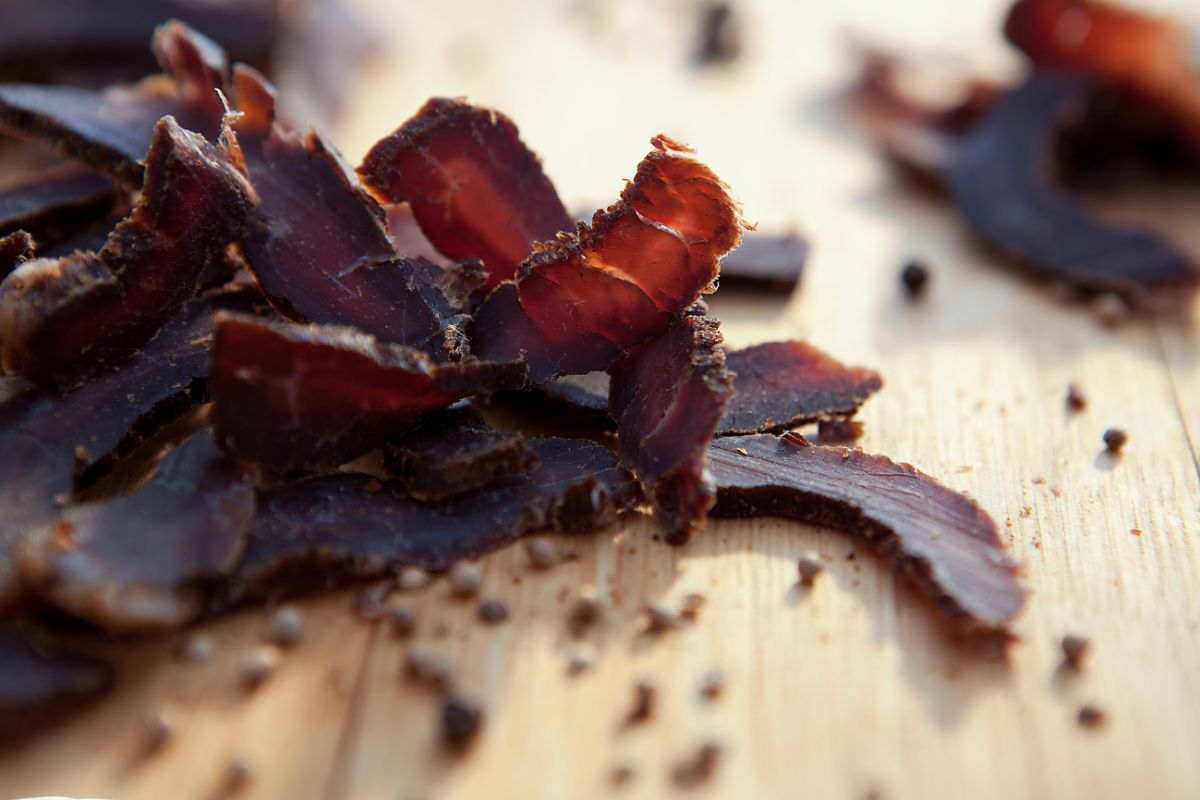
Once cured, the meats are hung in well-ventilated areas for drying. The resulting cured meat is incredibly flavorful! Its unique salty aroma seems like a delicacy aged over time. Furthermore, cured meat boasts the significant advantage of an extended shelf life, making it a staple on winter dining tables, offering a savory delight for everyone's palate.
Drying Salted Fish
In coastal regions, the Minor Snow season is undoubtedly the prime time for drying salted fish. The bountiful sea provides fishermen with abundant resources. At this juncture, fishermen fetch fish from the sea and bring them ashore. They meticulously clean the fish, ensuring no impurities remain, and expertly slice them into thin pieces.
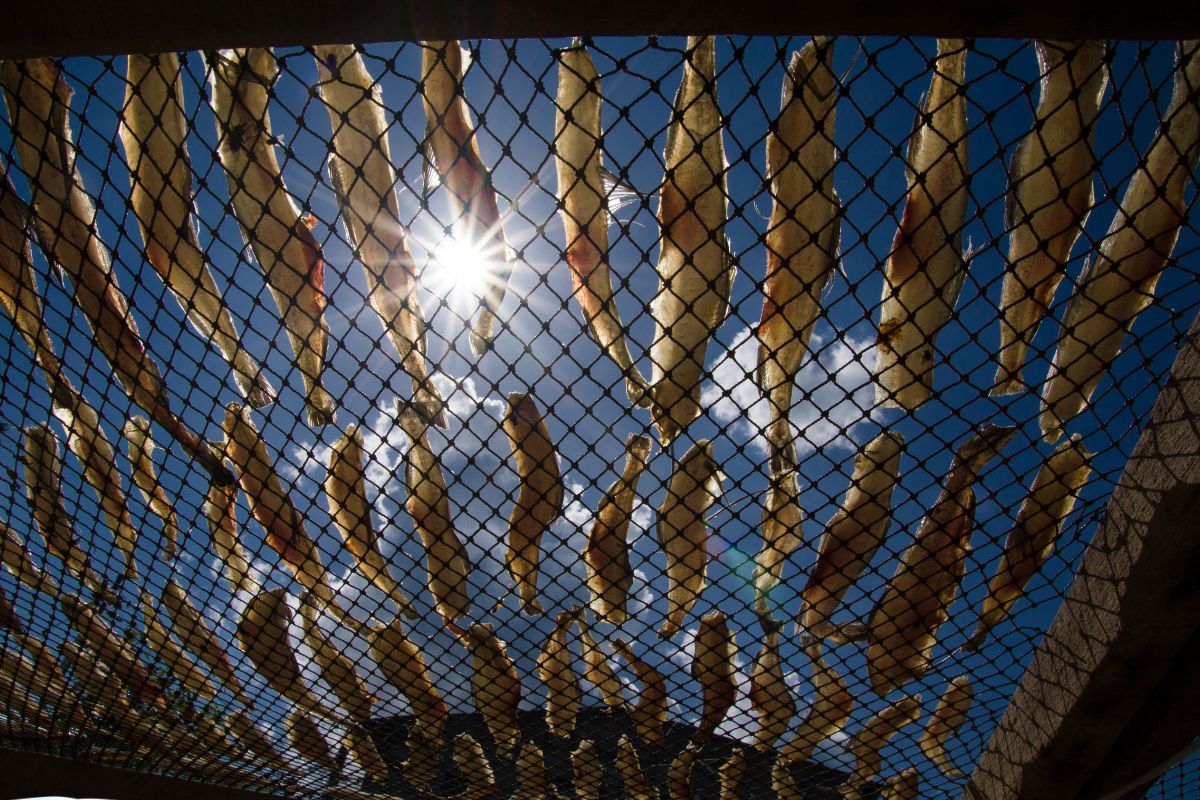
The prepared fish slices are neatly arranged and left out to dry under the sunlight. Bathed in the sun's glow, the salted fish gradually firms up, emitting a subtle oceanic scent. The dried风干的(fēng gān de) salted fish is incredibly delicious, capturing the essence of the sea in every bite. Moreover, salted fish can be stored for an extended period, gracing winter tables as a precious culinary delicacy, enhancing dishes with a unique seafood flavor.
风干的 (fēng gān de), adjective, dried
Examples:
- The dried flowers are still beautiful.
这些风干的花依然美丽。
zhè xiē fēng gān de huā yī rán měi lì 。 - We have some dried fruits for snacks.
我们有一些风干的水果当零食。
wǒ men yǒu yī xiē fēng gān de shuǐ guǒ dāng líng shí 。
Drinking Lamb Soup汤(tāng)
汤 (tāng), noun, soup
Examples:
- The soup is very hot.
这汤很烫。
zhè tāng hěn tàng 。 - She made a delicious soup for dinner.
她为晚餐做了美味的汤。
tā wèi wǎn cān zuò le měi wèi de tāng 。
In northern regions, a heartwarming tradition during the Minor Snow season is the consumption of lamb soup. In the cold winter, lamb soup serves as nature's gift of warmth to people. Lamb soup offers nourishing warmth, and its rich and hearty broth seems to contain boundless energy. Amid the chilly Minor Snow season, savoring a bowl of lamb soup effectively dispels the cold from one's body, providing a sensation of warmth and comfort while strengthening the constitution.
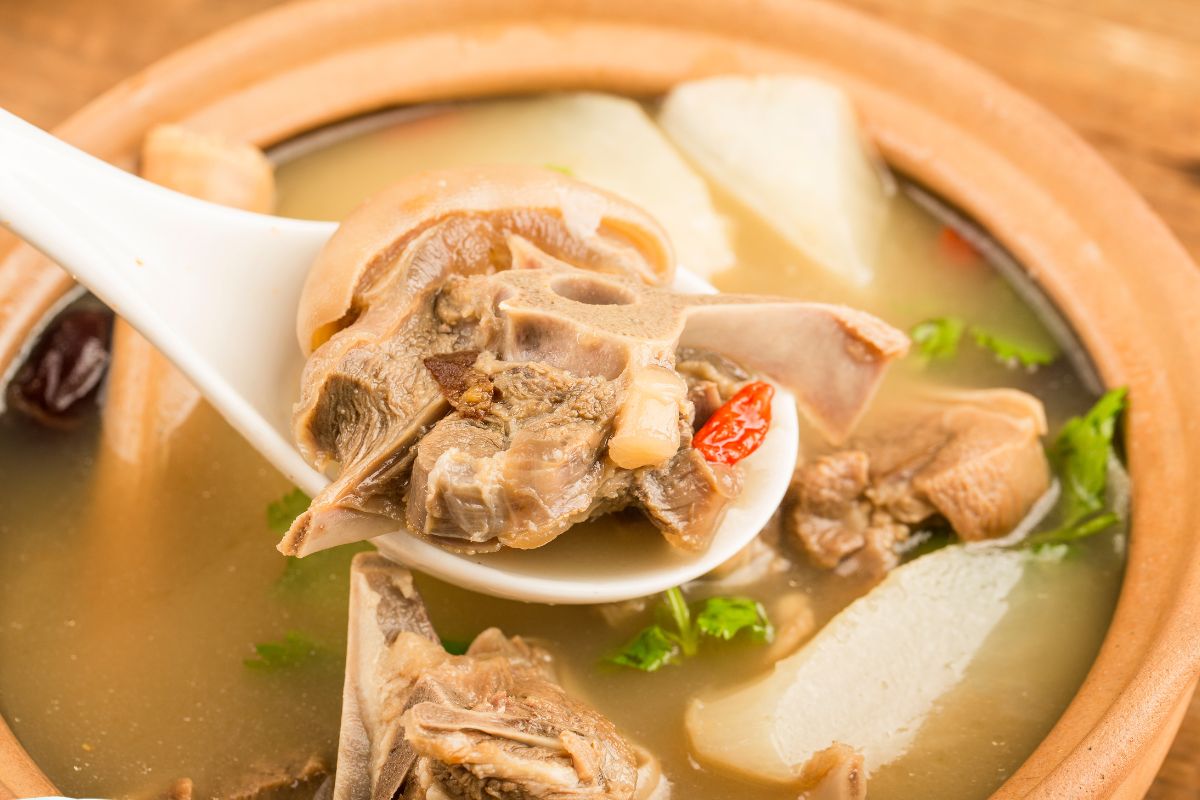
During this season, many families gather to cook a large pot of steaming hot lamb soup joyfully. Families sit together, sharing laughter and enjoying the delicious lamb soup. This cozy atmosphere not only drives away the winter chill but also brings family members closer, fostering harmonious and happy moments.
Health Tips for the Minor Snow Season
Stay Warm and Guard Against the Cold
The arrival of the Minor Snow season signals the gradual drop in temperatures, intensifying the chill in the air. At this time, ensuring warmth and protection against the cold is essential for maintaining well-being. When heading out, be sure to dress warmly in winter clothing to keep yourself snug. Upon returning home after a busy day, indulge in a foot soak with hot water.

As your feet immerse into the warmth of the water, the sensation spreads throughout your body, promoting blood circulation effectively. This warm feeling helps supply ample oxygen and nutrients to all organs in the body. Furthermore, foot soaks relieve fatigue accumulated throughout the day, inducing relaxation as tension gradually eases away.
Balanced Diet
Winter is a season that demands energy storage for the body, so paying special attention to your diet is crucial. Incorporate warm and nourishing foods into your meals, such as lamb, chicken, walnuts, and black sesame. These items contribute to replenishing essential energy levels, fortifying your health to withstand the winter cold.
Moreover, do not overlook the intake of fresh vegetables and fruits. Consuming these in moderation helps maintain a balanced nutritional intake, ensuring proper functioning of all bodily faculties, laying a solid foundation for our health edifice.
Emotional Regulation
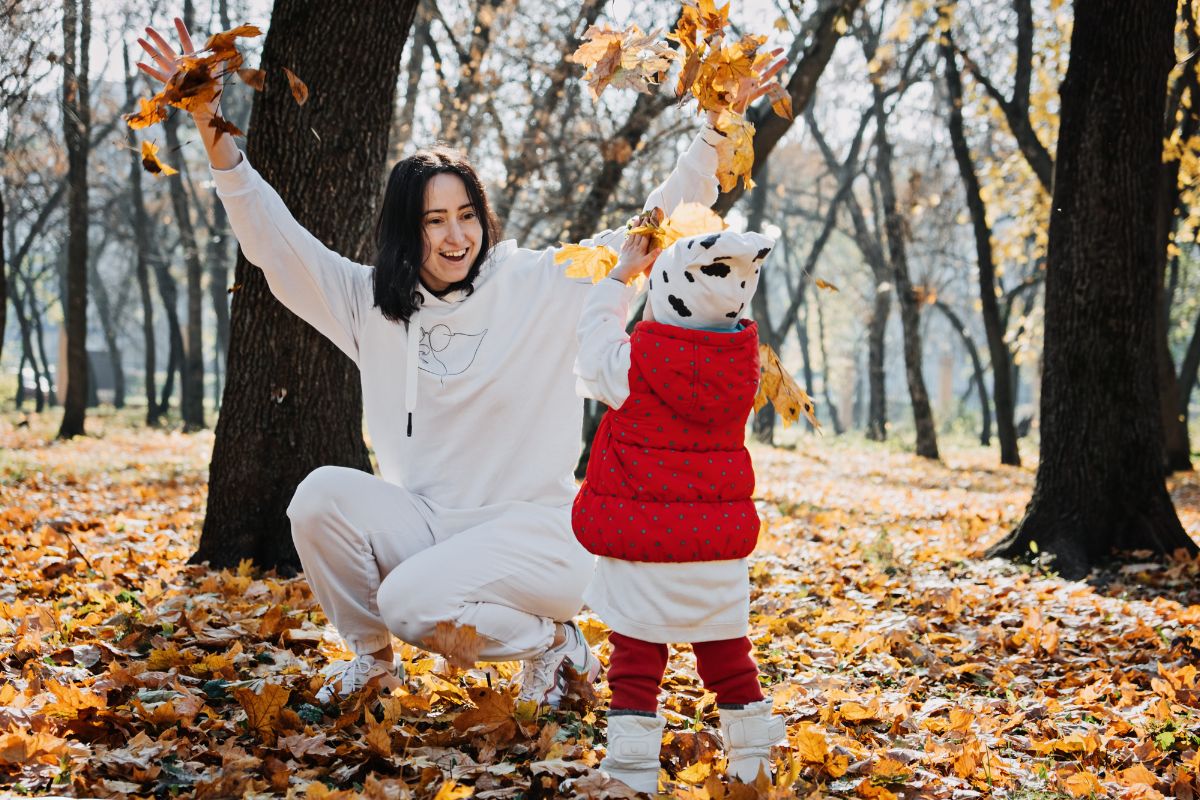
The cold and shortened daylight hours of winter often lead to feelings of melancholy. The skies might appear constantly overcast, casting a shadow over our moods. During such times, it is essential to find ways to relax and maintain an optimistic attitude suited to our individual needs, keeping a positive and cheerful mindset.