
Are you familiar with vegetarianism? This concept is increasingly popular globally, and in China, vegetarianism has a history of thousands of years. It is not just a dietary habit but embodies respect for life, nature, and the universe. Nowadays, with the rise in health consciousness, vegetarianism has become a lifestyle for more and more people. Interested in learning more? This article will introduce you to the unique Chinese vegetarianism!
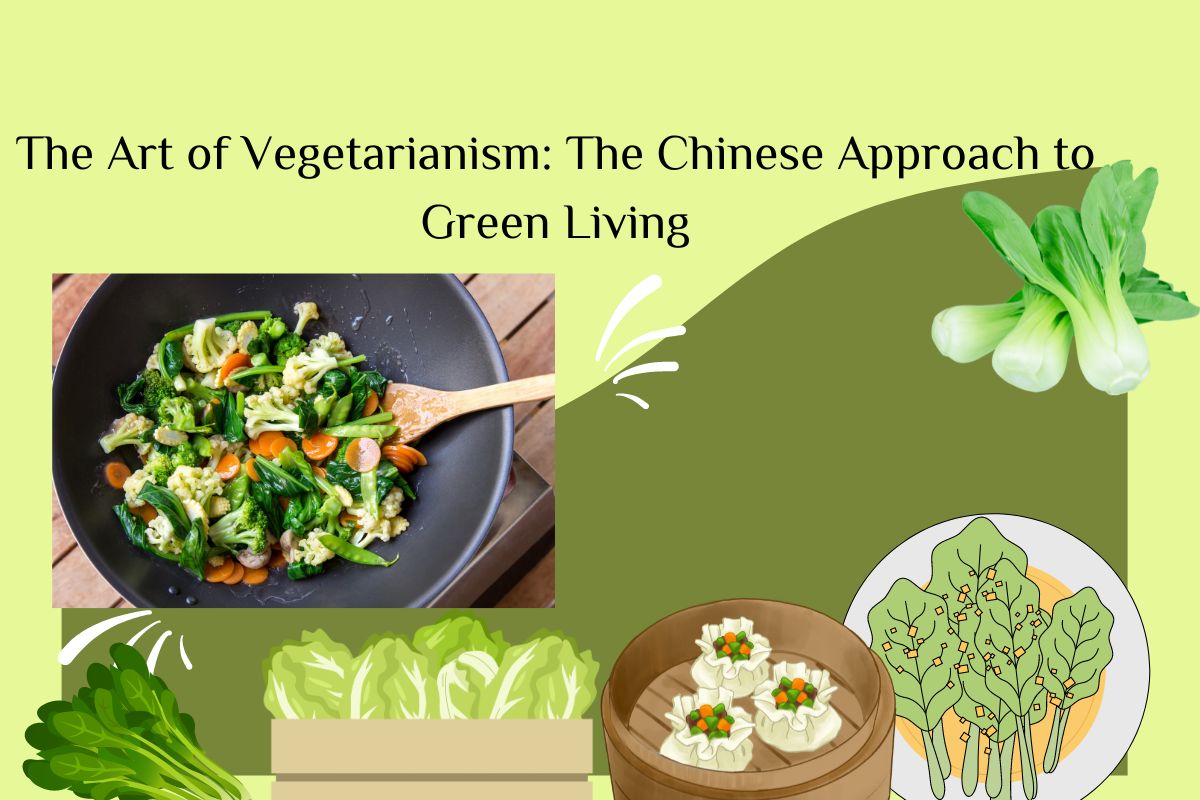
Chinese vegetarian cuisine offers a rich and diverse selection of ingredients, skillfully utilizing various natural ingredients. It not only achieves comprehensive and balanced nutrition but also showcases high culinary artistry, allowing vegetarians to enjoy a rich gastronomic experience without consuming meat.
Unique Cooking Methods
Stir-frying
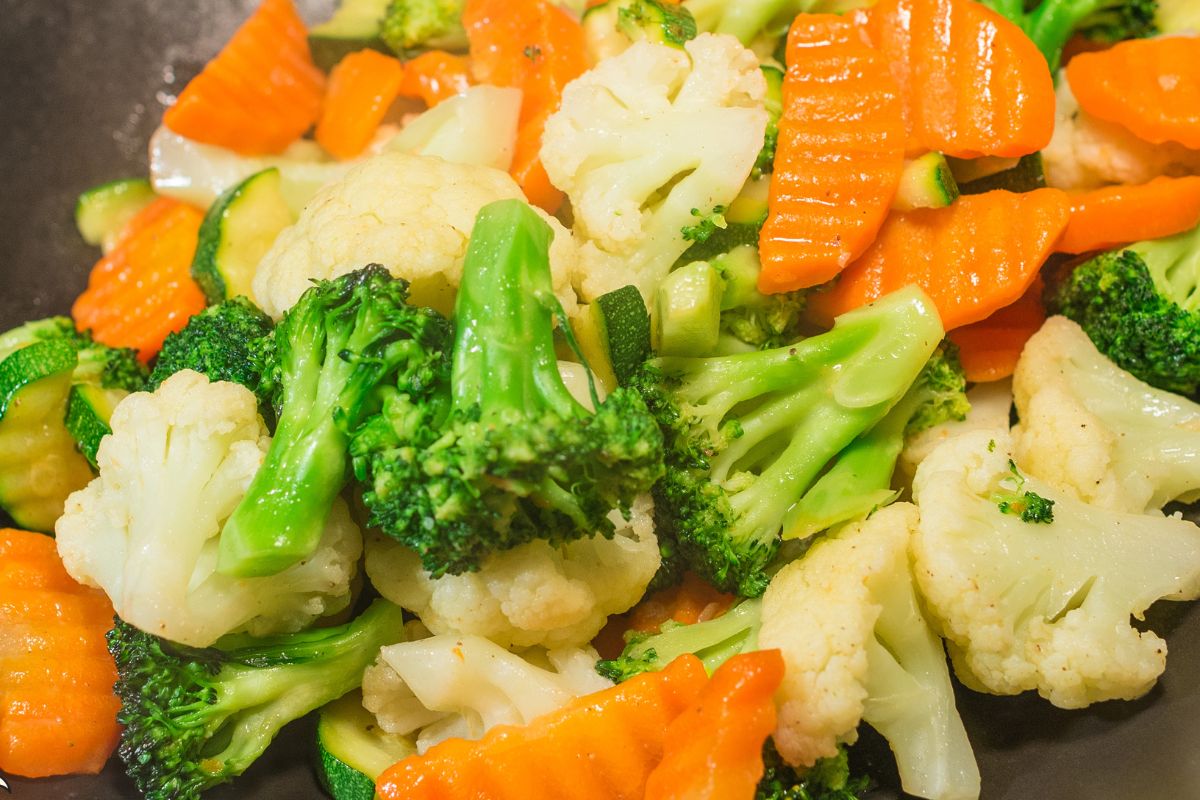
Stir-frying is one of the most commonly used techniques in Chinese culinary arts, emphasizing precise control of heat and swift operations to retain the original freshness and nutrition of the ingredients in a short time. In vegetarian cooking, fast stir-frying is crucial, maintaining vegetables' crispness and vibrant colors. For example, a simple stir-fried seasonal vegetable蔬菜(shū cài) dish or a vegetarian version of Kung Pao chicken (using soy products instead of meat), prepared through high-temperature rapid stir-frying and special seasoning, can create a delicious dish with excellent flavors, spiciness, and balance.
蔬菜 (shū cài), noun, vegetable
Examples:
- Vegetable is good for our health.
蔬菜对我们的健康有益。
shū cài duì wǒ men de jiàn kānɡ yǒu yì 。 - I like vegetable soup.
我喜欢喝蔬菜汤。
wǒ xǐ huɑn hē shū cài tānɡ 。
Steaming
Steaming is a gentle and efficient cooking method that maximally preserves the natural flavors and nutritional elements of food, especially suitable for vegetables and tofu. Whether it's vegetarian steamed dumplings, buns, or steamed seasonal vegetables, a touch of seasoning enhances the flavors while the gentle steaming method perfectly showcases the natural sweetness and freshness of the ingredients, becoming a favorite among vegetarians.
Boiling
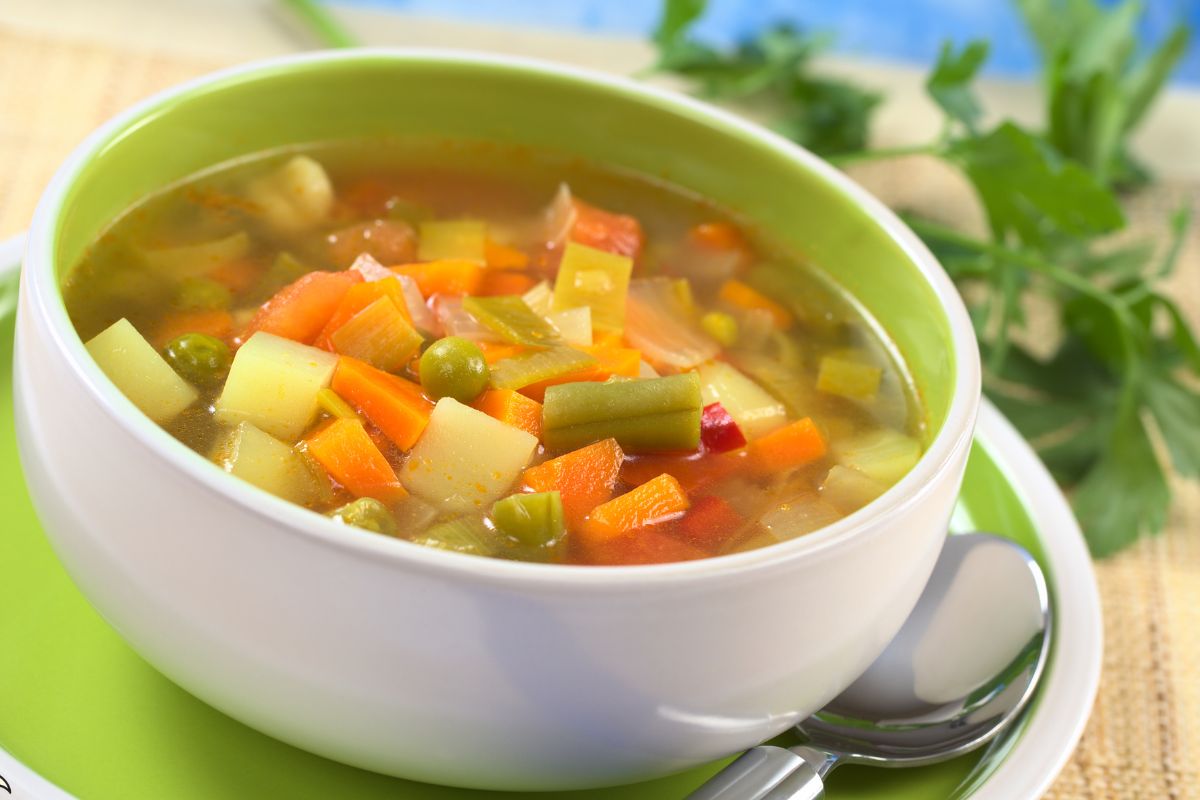
Boiling is ideal for making soups and porridges, such as vegetable soup and Eight Treasures Porridge. In a vegetarian menu, boiling not only creates flavorful and rich broths but also allows various ingredients' flavors to blend harmoniously. For instance, the preparation of vegetarian broth is often used to enhance the dishes' umami, making vegetarian soups equally mouth-watering and satisfying, meeting the palate's expectations.
From precise heat control in stir-frying to the gentle delicacy of steaming, and the rich blend in boiling, each cooking method strives to present vegetarian ingredients at their best, ensuring the retention of nutrients and flavor elevation. As vegetarians savor these meticulously prepared dishes, they not only taste the deliciousness of food but also experience a healthy, eco-friendly lifestyle. These carefully crafted vegetarian creations are not just a feast for the taste buds but also a testimony to the harmony between the mind and nature, proving that even without consuming meat, one can still have a rich and fulfilling gastronomic experience, reflecting the profound and infinite charm of Chinese vegetarian culture.
The Philosophical Views Behind Chinese Vegetarian素食(sù shí) Culture
素食 (sù shí), noun, vegetarian
Examples:
- Are you vegetarian?
你只吃素食吗?
nǐ zhǐ chī sù shí mɑ ? - I'd like to try some vegetarian.
我想尝试一些素食。
wǒ xiǎnɡ chánɡ shì yì xiē sù shí 。
Chinese vegetarian culture is deeply rooted in ancient history and profound philosophical thoughts, advocating for an expression of reverence and compliance with natural laws through the choice of a vegetarian lifestyle, promoting harmony and coexistence with all things in the world. This choice not only involves delicate care for the ecological environment but also emphasizes human health. In ancient medical classics like the "Huangdi Neijing," a diet principle primarily focused on plant-based foods is clearly advocated, aiming to maintain the balance of yin and yang within the body through such natural dietary habits to strengthen the body, prevent diseases, and dispel ailments.
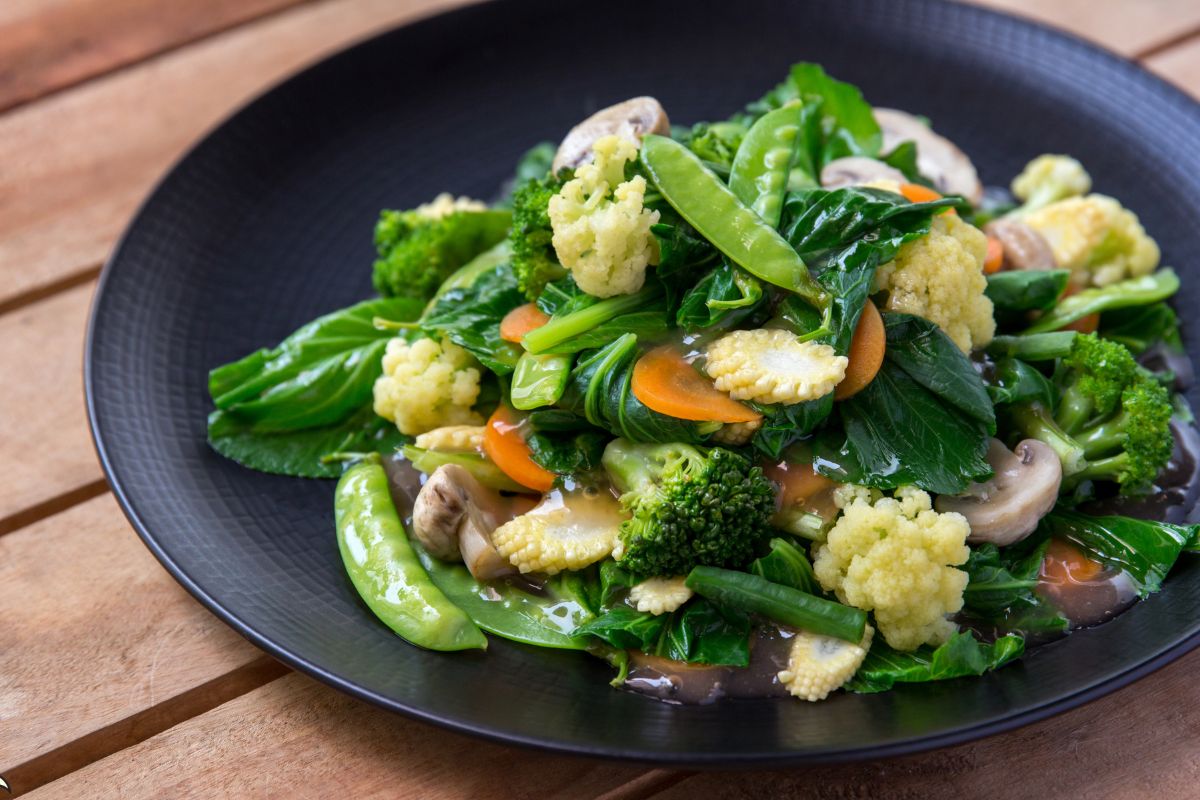
Vegetarianism emphasizes nourishing the body through a scientifically sound dietary structure, which can also promote mental relaxation and achieve holistic health. This concept aligns with the traditional Chinese cultural belief in "unity of heaven and man," aspiring for the harmonious coexistence between humans and the natural world, recognizing the intimate connection and mutual influence between human health and the natural environment.
In conclusion, vegetarianism is not just a dietary choice but also encompasses respect for life, nature, and the universe. Chinese vegetarian culture showcases its unique charm through a diverse array of ingredients and exquisite culinary techniques. From precise heat control in stir-frying to the gentle delicacy of steaming and the rich blend in boiling, each vegetarian delicacy bears witness to a healthy and environmentally friendly lifestyle. Chinese vegetarian culture is not only a feast for the taste buds but also an embodiment of harmony between the mind and nature, guiding people towards the pursuit of physical and mental well-being and sustainable environmental development. Explore Chinese vegetarian culture further, try different Chinese vegetarian practices – they will surely offer you a distinctive culinary experience!