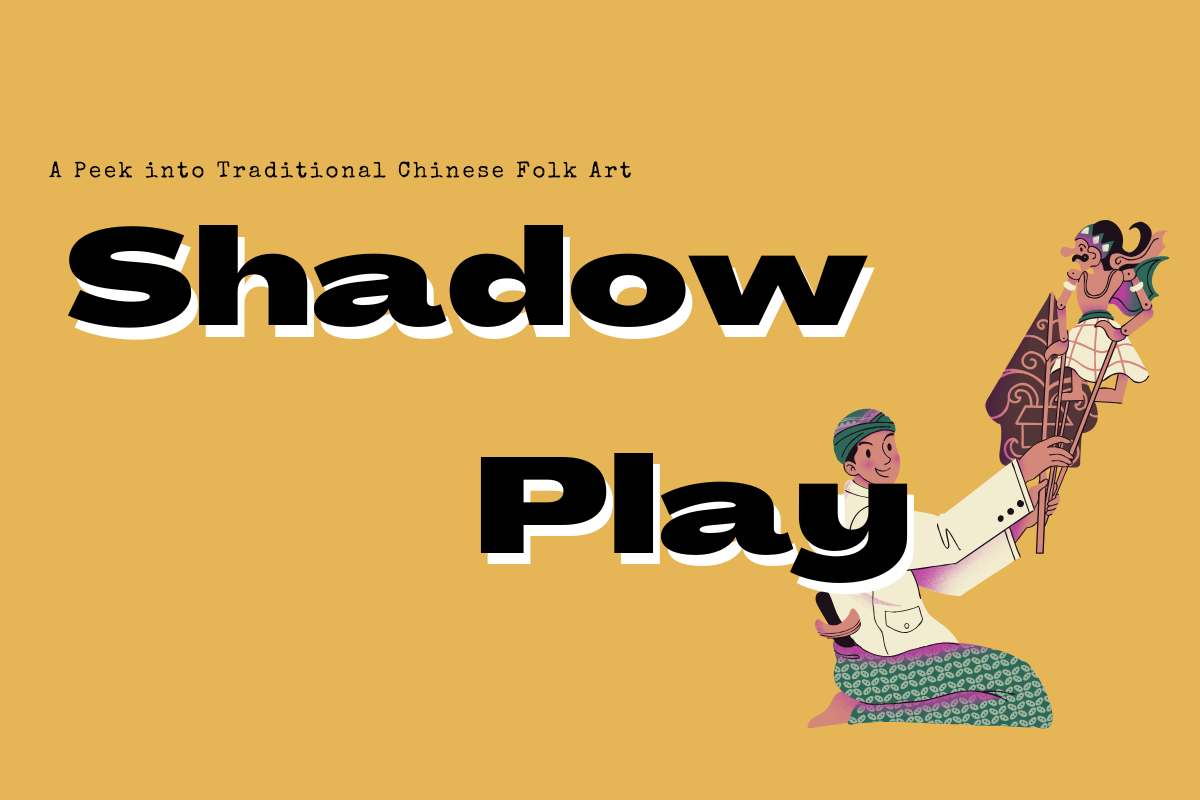
Shadow puppetry 皮影戏(pí yǐng xì) is an ancient traditional art form in China, showcasing a unique form of "screen performance" where figures made of animal hide or paper serve as "actors." Under the illumination of light, these shadowy silhouettes come to life on a screen, presenting dynamic stories, often referred to as the "earliest animation."
Historical Origins
Tracing back to the Western Han Dynasty, it is believed that Emperor Wu of Han, longing for his deceased consort Lady Li, had a sorcerer use lamp shadows to recreate her image, laying the foundation for the embryonic stage of shadow puppetry.
During the Tang Dynasty, shadow puppetry matured, while it thrived in the Song Dynasty, becoming popular in common places and forming professional performance groups.
In the Ming and Qing dynasties, shadow puppetry spread throughout the country, giving rise to distinct regional styles, such as the Huaxian shadow play in Shaanxi, the Tangshan shadow play in Hebei, and the Sichuan shadow play.
Performance Characteristics
Integration of "Shadow" and "Performance": Behind the scenes, performers manipulate the shadow puppets, using finger movements like twisting, turning, and gesturing to make the figures walk, fight, and change expressions. Combined with vocal storytelling, chants, and musical accompaniment (such as gongs, drums, suonas, etc.), they narrate 讲述(jiǎng shù) opera stories or folk legends.
讲述(jiǎng shù), verb, narrate
Example:
- The teacher narrated an interesting story.
老师讲述了一个有趣的故事。
lǎo shī jiǎng shù le yí ge yǒu qù de gù shì. - She loves to narrate her travel experiences.
她喜欢讲述她的旅行经历。
tā xǐ huan jiǎng shù tā de lǚ xíng jīng lì.
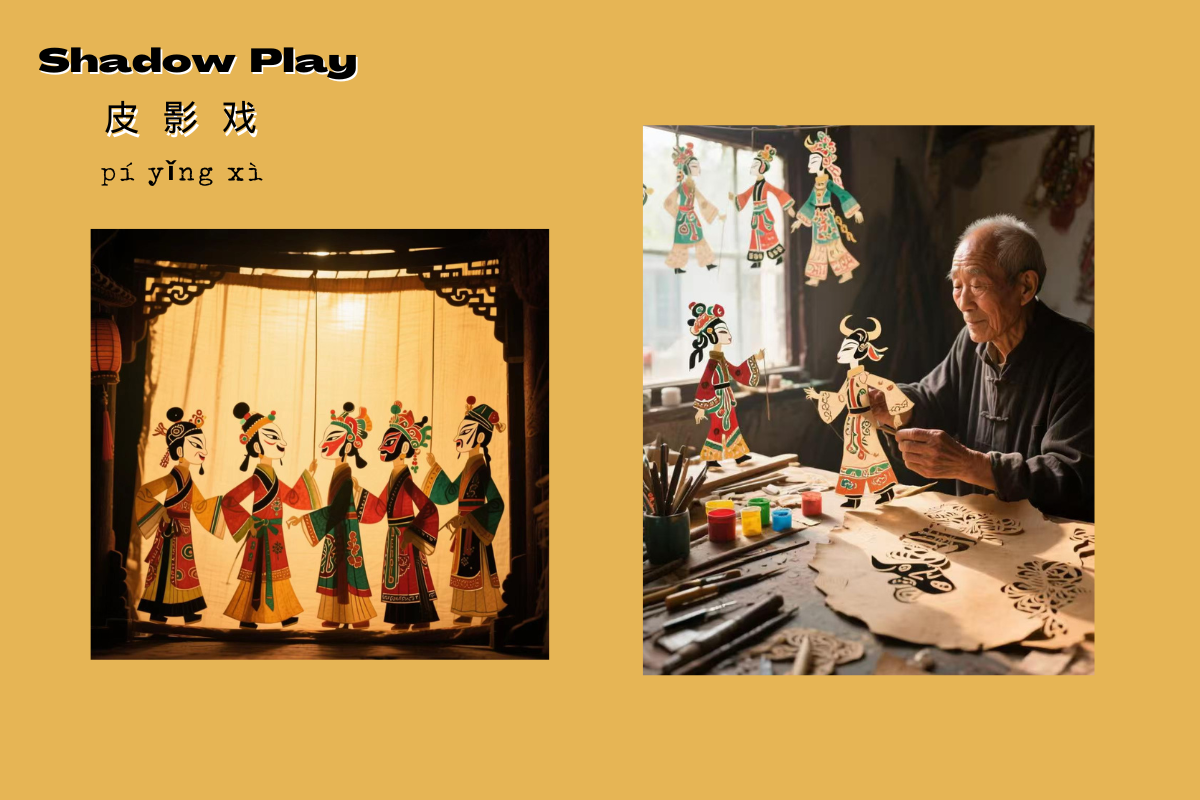
The "Screen" as the Stage: A white cloth screen serves as the "screen," with light projected from behind, casting clear shadow images of the puppets onto the screen. Audience members view the performance in front of the screen, perceiving the storyline through the dynamic shadows.
Craftsmanship
Materials commonly used include donkey hide, cowhide (in the north), or sheepskin (in the south), crafted through processes like scraping, polishing, carving, and dyeing to create translucent silhouettes 剪影(jiǎn yǐng).
剪影(jiǎn yǐng), noun, silhouettes
Example:
- We saw their silhouettes on the curtain.
我们看到他们在窗帘上的剪影。
wǒ men kàn dào tā men zài chuāng lián shàng de jiǎn yǐng. - The artist created paper silhouettes of animals.
艺术家制作了动物的剪纸剪影。
yì shù jiā zhì zuò le dòng wù de jiǎn zhǐ jiǎn yǐng.
The carving is meticulous, featuring smooth lines and vivid depictions of characters' clothing and expressions. Different designs are used based on character roles (such as dragon robes for emperors or armor for warriors). Dyes are primarily mineral or plant-based, offering bright and durable colors.
Cultural Value
It combines painting, sculpture, music, and performance, embodying the essence of folk art as a "living fossil," carrying regional folk cultures and historical memories.
Many classic performances are adapted from renowned literary works like "Romance of the Three Kingdoms" and "Journey to the West," spreading literary tales and conveying values of good and evil. With its unique charm, shadow puppetry continues to thrive on stage as a vibrant part of intangible cultural heritage.
Shadow puppetry is an ancient poem of light and shadow. As French film critic Georges Sadoul once said, "It is not only the living fossil of Eastern drama but also the precursor of world animation." If this article has sparked your interest in shadow puppetry, consider watching some classic shadow puppet performances to delve deeper into this captivating art form.