
Do you enjoy small animals? In our busy and stressful daily lives, pets have become fantastic spiritual companions. They surround us with abundant love, ward off loneliness, help us relax, and alleviate worries and anxiety. Nowadays, in China, more and more people are starting to raise pets, with a variety of furry friends entering households, each bestowed with interesting names! This article will introduce you to this fascinating phenomenon!
How do Chinese people name their pets宠物(chǒnɡ wù)?
宠物 (chǒnɡ wù),noun, pet
Examples:
- My favorite pet is a dog.
我最喜欢的宠物是一只狗。
wǒ zuì xǐ huɑn de chǒnɡ wù shì yì zhī ɡǒu 。 - I want to keep a pet dog.
我想养一只宠物狗。
wǒ xiǎnɡ yǎnɡ yì zhī chǒnɡ wù ɡǒu 。
In Chinese culture, people favor auspicious signs, so many individuals give their pets names that embody blessings, like "Wangcai" or "Fufu," representing hopes for good luck and prosperity to be brought to the household.
Some pet names are inspired by delicious food, such as "Xiaokele" or "Tudou." These names sound lively and amusing, akin to small daily joys, expressing the owner's love for their pets as pure and fervent as for good cuisine.
Using homophones in Chinese for pet names is also quite common. For instance, "Wangcai" sounds like the wealth in the family would prosper, while "Dou'er" (similar to the sound of "all" in Chinese) implies smooth sailing in all endeavors. These names not only roll off the tongue smoothly but also carry cultural undertones.
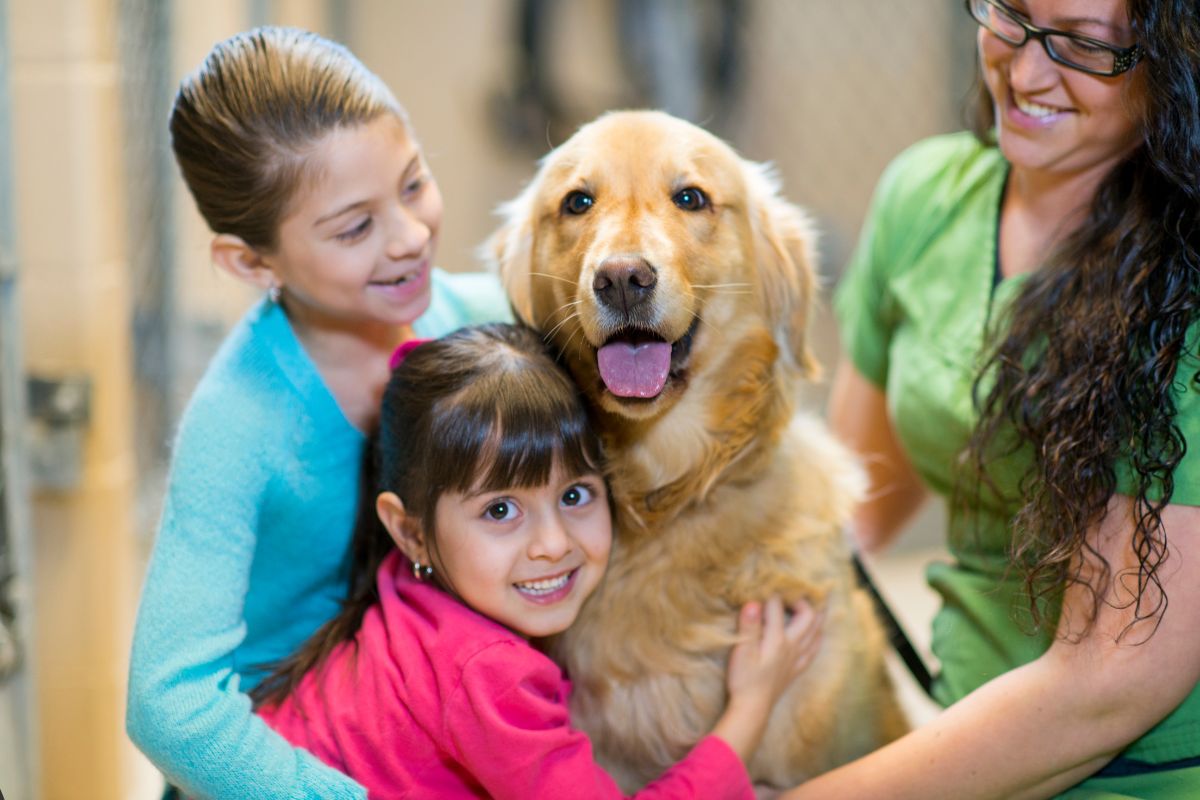
Sometimes, pet names are linked to family members' names or are derived directly from human names, like "Xiaoming" or "Huahua." Such practice formalizes the announcement that pets are also integral family members, just as important as any other family member.
New Reflections Behind Pet Rearing
Family Values and Affection
Chinese culture emphasizes family harmony and bonds of kinship, with pets often seen as family members. Chinese people have always cherished warmth and togetherness in the family. For example, many families raise pet dogs or cats, giving them names like "Diandian" and "Yuanyuan," evoking a familial vibe. During important celebrations like the Spring Festival, pets might adorn festive clothing for special photoshoots, including them in the celebratory activities, fully embodying the pet as a "new family member."
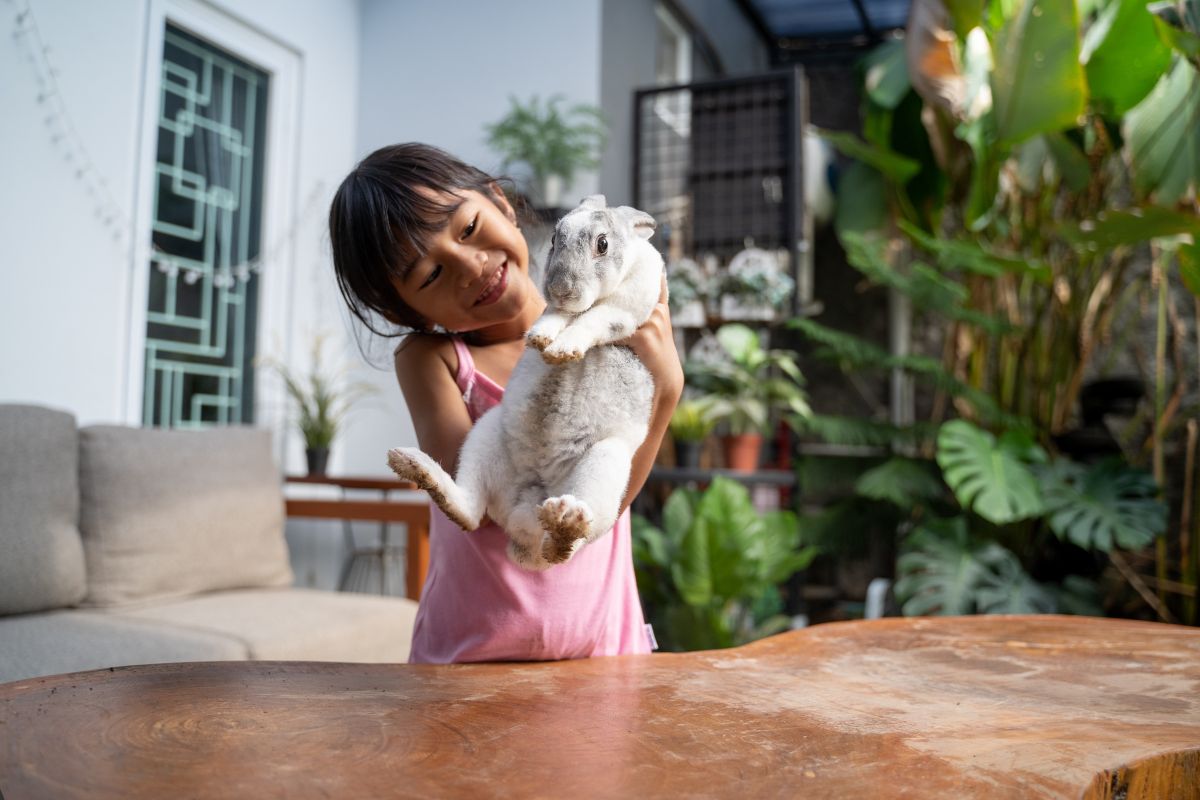
In some families, when children grow up and move away, pets serve as emotional companions for the elderly, accompanying them through many moments, showcasing the deep emotional connection between pets and family members.
Compassion and Harmonious Coexistence
Confucianism in Chinese culture emphasizes the concept of "compassion and love," stressing the importance of caring for and respecting all life forms. Towards all creatures in the natural world, we should harbor goodwill. Pet ownership is not merely a personal preference; it is an expression of care for life and a demonstration of responsibility.
 Just as many people meticulously care for their pet dogs or cats, regularly vaccinating and deworming them, providing a comfortable living environment, and paying attention to their emotions and health. When pets fall ill, they anxiously rush them to the vet兽医(shòu yī). This exemplifies responsibility towards pet life. Such attitudes and actions towards pets embody wisdom philosophy promoting a harmonious coexistence with nature and reflect the profound influence of the "compassion and love" concept on contemporary individuals.
兽医 (shòu yī), noun, vet
Examples:
- Immediately transport the dog to a vet.
马上带狗狗去见兽医。
mǎ shànɡ dài ɡǒu ɡǒu qù jiàn shòu yī 。 - Don't worry, the vet will take care of it.
别担心,兽医会医治好它的。
bié dān xīn , shòu yī huì yī zhì hǎo tā de 。
In modern society, pet ownership is no longer just a lifestyle choice but a form of emotional connection and responsibility. Through caring for and cherishing pets, we not only create more pleasant memories and experiences with them but also deepen our sense of responsibility towards life. May every pet grow healthily and happily under the care of humanity.