Chinese culture is rich with traditions, one of which is the art of riddles. Riddles, known as "谜语" (mí yǔ) in Chinese, are a beloved form of entertainment and a way to exercise one's wit and creativity. They often reflect everyday experiences, objects, or phenomena, making them both relatable and insightful. Today, let's explore a classic riddle that delves into something as familiar as our own hands:
- Five brothers, living together,
五个兄弟,住在一起,
Wǔ gè xiōngdì, zhù zài yīqǐ, - with different names, of varying heights.
名字不同,高矮不齐。
míngzì bùtóng, gāo'ǎi bù qí.
Let’s break it down
- "五个兄弟,住在一起" (Five brothers live together): This line sets the stage, introducing the idea of five entities that are closely related and always found together.
- "名字不同" (With different names): This indicates that although these five entities are similar in nature, each has its unique identity.
- "高矮不齐" (Varying heights): This suggests that these five entities are not the same in size; some are taller, and some are shorter.
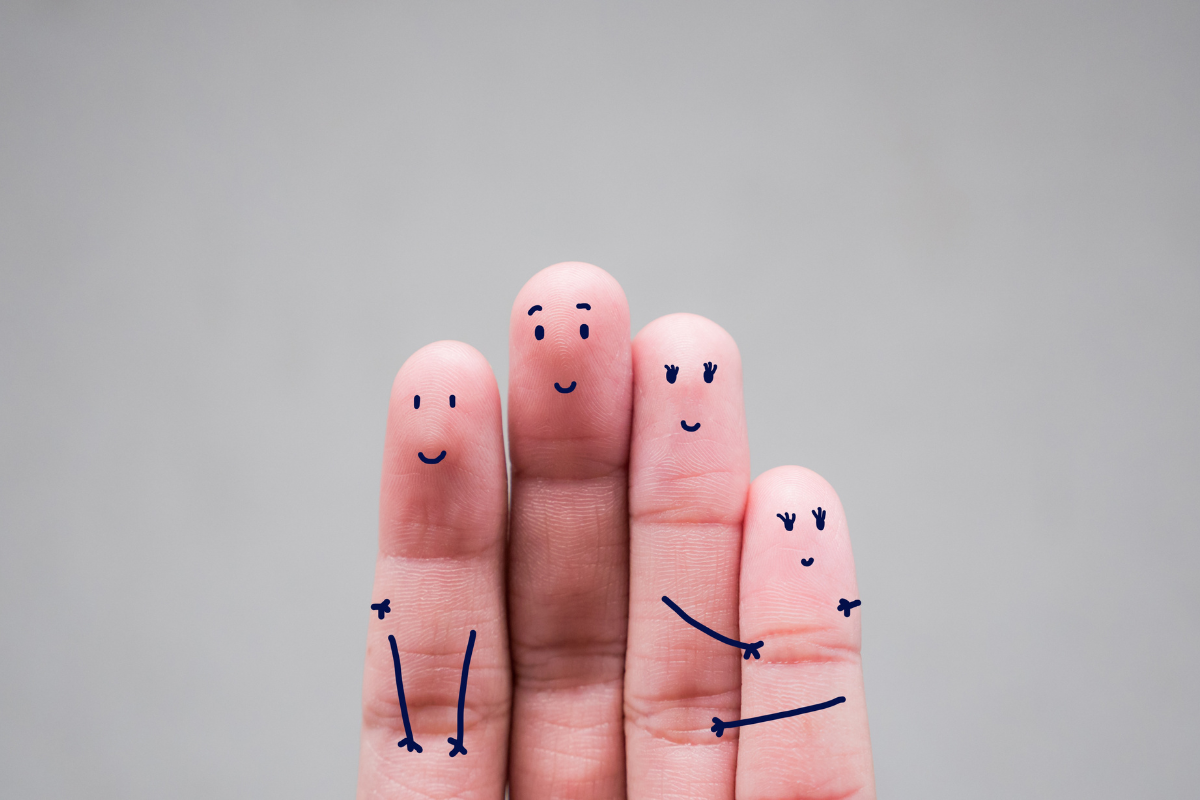
- "手指" (Fingers): The answer to the riddle is fingers. Each hand has five fingers, they are always together, each finger has a different name (thumb, index finger, middle finger, ring finger, and little finger, and they vary in length.
Key Sentences:
- I have five fingers.
我有五个手指。
Wǒ yǒu wǔ gè shǒuzhǐ. - My fingers are cold.
我的手指很冷。
Wǒ de shǒuzhǐ hěn lěng. - I hurt my finger.
我弄伤了手指。
Wǒ nòngshāng le shǒuzhǐ.