This is a very interesting and common question! The reason why Chinese dumplings (especially the traditional ones) resemble ingots is not a coincidence. It is a deliberate symbol deeply rooted in culture, embodying beautiful wishes. In simple terms, people hope that dumplings, like ingots, can bring wealth and good luck.
Direct Association: Dumplings Resembling Ingots
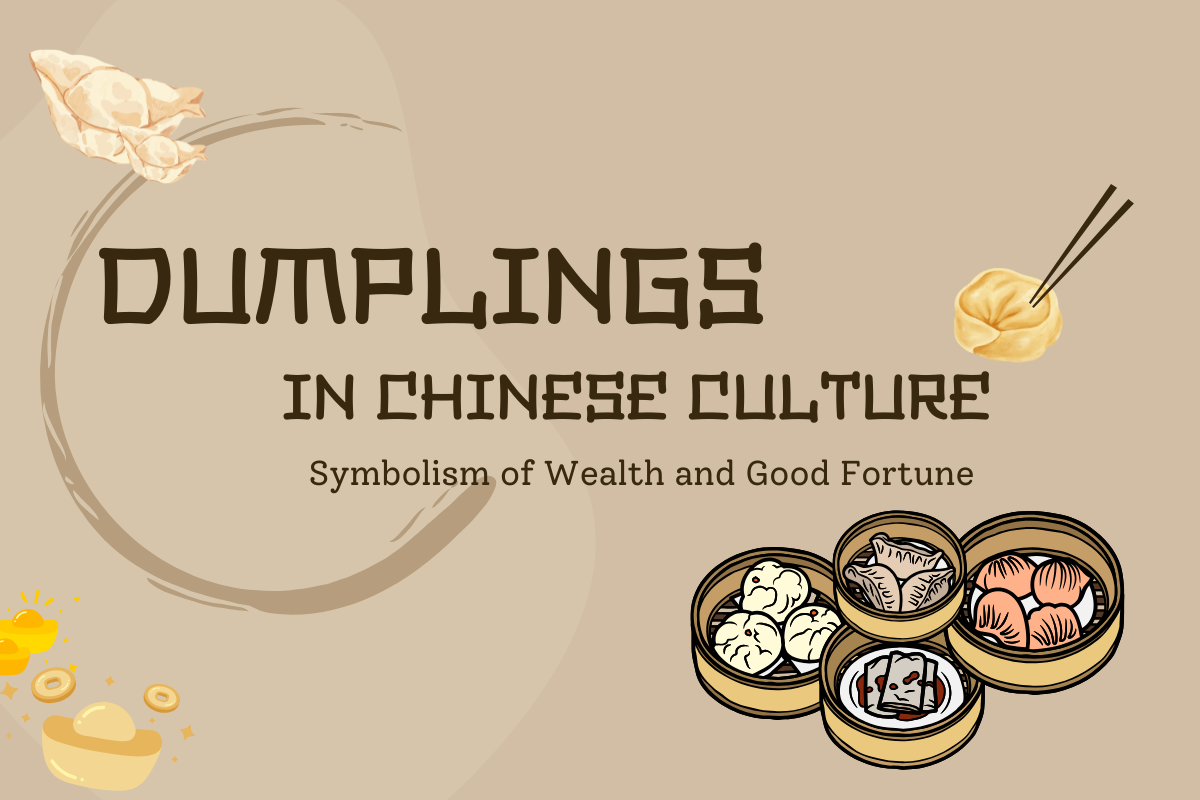
Traditional Chinese dumplings, especially those handcrafted, are plump in the middle with slightly raised ends, resembling ancient Chinese gold and silver ingots.
Ingots: These were ancient Chinese currency made of valuable gold or silver. Usually plump in the middle, the ingots had raised ends, presenting an affluent and direct representation of wealth.
Dumplings: Wrapped in dough with fillings inside, naturally shaped into a plump center and pleated edge, mirroring the form of ingots. This high visual similarity forms the basis for making associations.
Core Reason: Auspicious Symbolism
In Chinese culture, especially during important festivals and celebrations, food often carries auspicious meanings beyond its physical properties. The association between dumplings and ingots shapes them into a perfect "mascot" of good fortune.
Bringing Wealth and Fortune: Eating dumplings resembling ingots symbolizes "swallowing wealth", signifying the arrival of prosperity and abundance in the new year. This direct and beautiful psychological implication and wish are highly cherished.
Auspicious Blessings: The fillings of the dumplings are also carefully chosen. They may include various auspicious items such as:
- Coins: Eating a dumpling with a coin portends great wealth and continuous good luck.
- Sugar: Symbolizing sweetness in life.
- Peanuts (also known as "longevity nuts"): Signifying health and longevity.
- Red Dates: Representing early arrival of valuable children or prosperity. These practices further strengthen the role of dumplings as "fortune packages."
Legend of Dumplings Resembling Ingots
There is an interesting folk tale about why dumplings resemble ingots. It is said that long ago, many people suffered from frostbitten ears during winter. The renowned physician Zhang Zhongjing wrapped herbal ingredients in dough shaped like ears and cooked them for the poor, curing their frostbitten ears. To commemorate him, people began making and calling this food "ear dumplings."
While this legend explains how dumplings may have originally resembled "ears," over time, driven by the desire for a better life, people leaned towards aligning their shape with the wealth-symbolizing "ingots" and widely spread this association. The cultural significance often evolves and enriches based on the demands of the times.
Everyday Expressions Related to Dumplings
- I like to eat dumplings.
我喜欢吃饺子。
wǒ xǐ huān chī jiǎo zi.
- Let's make dumplings tonight.
我们今晚包饺子吧。
wǒ men jīn wǎn bāo jiǎo zi ba.
- These are pork and cabbage dumplings.
这是猪肉白菜馅的饺子。
zhè shì zhū ròu bái cài xiàn de jiǎo zi.
- Dumplings are best eaten with vinegar.
饺子要蘸醋吃。
jiǎo zi yào zhàn cù chī.
- The water is boiling, we can cook the dumplings now.
水开了,可以煮饺子了。
shuǐ kāi le, kě yǐ zhǔ jiǎo zi le.
- Dumplings symbolize wealth and good luck.
饺子象征着财富和好运。
jiǎo zi xiàng zhēng zhe cái fù hé hǎo yùn.
- How many dumplings have you made?
你包了几个饺子?
nǐ bāo le jǐ ge jiǎo zi?
- Would you like boiled, steamed, or pan-fried dumplings?
您要水饺、蒸饺还是煎饺?
nín yào shuǐ jiǎo, zhēng jiǎo hái shì jiān jiǎo?
Dumplings made by Chinese people resembling ingots are a wise embodiment that perfectly combines food with cultural symbolism and good wishes. Leveraging the foundation of resemblance, it imbues the food with profound meanings of "bringing wealth and fortune" and "auspicious blessings." Especially during important occasions like the Spring Festival, it has become an indispensable dish that carries the nation's aspirations for a happy life.