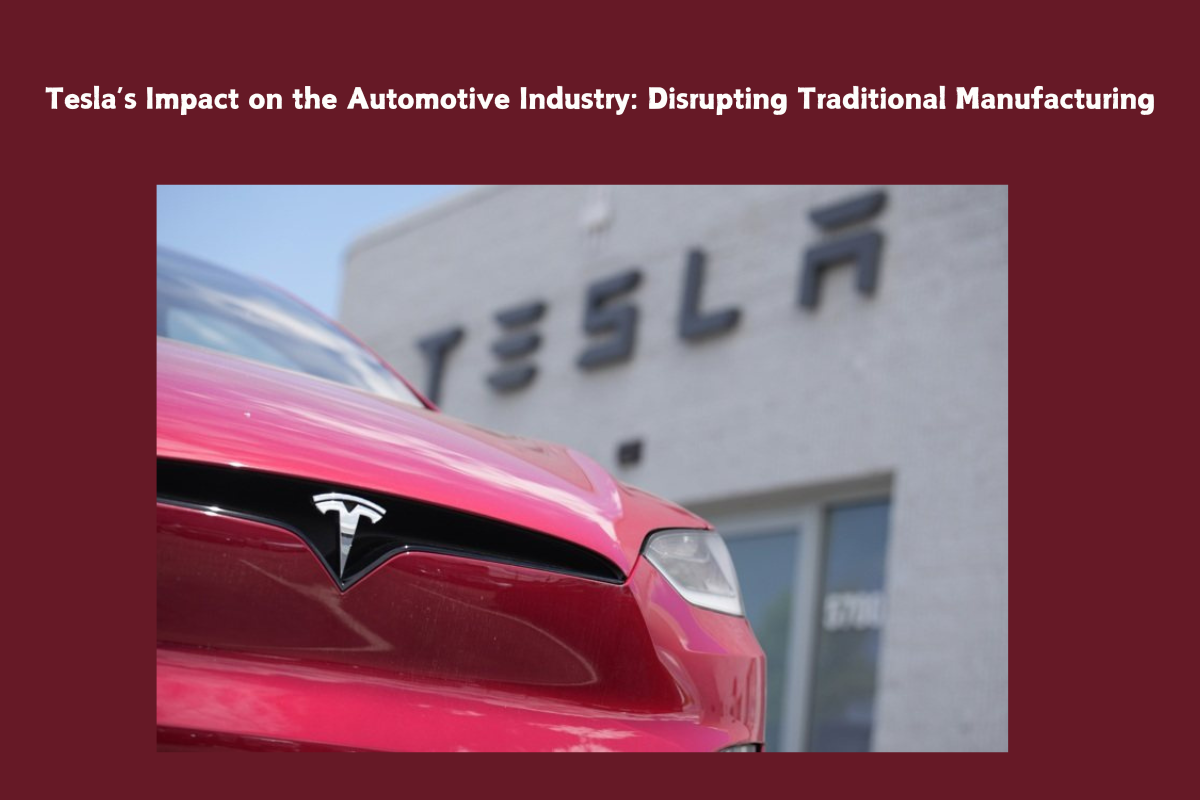
Tesla has fundamentally changed the automotive landscape, shaking up the traditional manufacturing model in several ways. One of the most important aspects of Tesla's impact is its role in popularizing electric vehicles (EVs) 电动汽车 (diàn dòng qì chē), pushing the entire industry toward sustainable energy solutions. Tesla’s innovation goes beyond just cars; it’s about changing the way we think about transportation, energy storage, and even manufacturing practices.
Electric Vehicles and Sustainable Manufacturing
Tesla’s electric vehicles (EVs) have demonstrated that high-performance, eco-friendly vehicles are not only possible but are also desirable to consumers. Traditional automakers have been forced to shift their strategies to compete, with many now committing to producing electric vehicles in the coming years. Tesla has led the charge by developing vehicles like the Model S, Model 3, and Model X, which combine sustainability 可持续性 (kě chí xù xìng) and cutting-edge technology in a way that was previously unimaginable. This transition to electric-powered vehicles also challenges the old combustion engine-dependent manufacturing processes, pushing for a cleaner, more efficient production system.
Innovative Manufacturing and Automation
Tesla’s manufacturing strategy is another key factor in its disruption of the automotive industry. The company uses highly automated processes in its Gigafactories 超级工厂 (chāo jí gōng chǎng), aiming to produce vehicles at scale while reducing costs. This high level of automation allows Tesla to maintain strict control over production efficiency and quality, giving it a competitive edge over traditional automakers that still rely on more manual, labor-intensive production techniques.
超级工厂 , noun, Gigafactory
- Tesla's Gigafactories are key to its production capacity.
特斯拉的超级工厂是其生产能力的关键。
tè sī lā de chāo jí gōng chǎng shì qí shēng chǎn néng lì de guān jiàn. - The Gigafactory helps Tesla reduce production costs.
超级工厂帮助特斯拉降低生产成本。
chāo jí gōng chǎng bāng zhù tè sī lā jiàng dī shēng chǎn chéng běn.
Tesla has also made waves with its use of vertical integration 垂直整合 (chuí zhí zhěng hé), meaning that it controls more of the supply chain from manufacturing the batteries to producing vehicle parts. By doing so, Tesla has been able to reduce its reliance on suppliers, lower production costs, and bring innovative products to market more quickly.
Challenges to Traditional Manufacturers
Tesla’s focus on direct sales 直销 (zhí xiāo), bypassing the traditional dealership model, has also caused a shake-up in the automotive sales landscape. While traditional automakers are still heavily reliant on third-party dealerships, Tesla sells directly to consumers, which allows for more control over the customer experience and potentially lower prices. This method has not been without its challenges, including legal battles in some markets, but it has proven successful in increasing Tesla's market share.
直销 , noun, direct sales
- Tesla's direct sales model bypasses traditional car dealerships.
特斯拉的直销模式绕过了传统的汽车经销商。
tè sī lā de zhí xiāo mó shì rào guò le chuán tǒng de qì chē jīng xiāo shāng. - Direct sales allow Tesla to interact directly with customers.
直销让特斯拉可以直接与客户互动。
zhí xiāo ràng tè sī lā kě yǐ zhí jiē yǔ kè hù hù dòng.