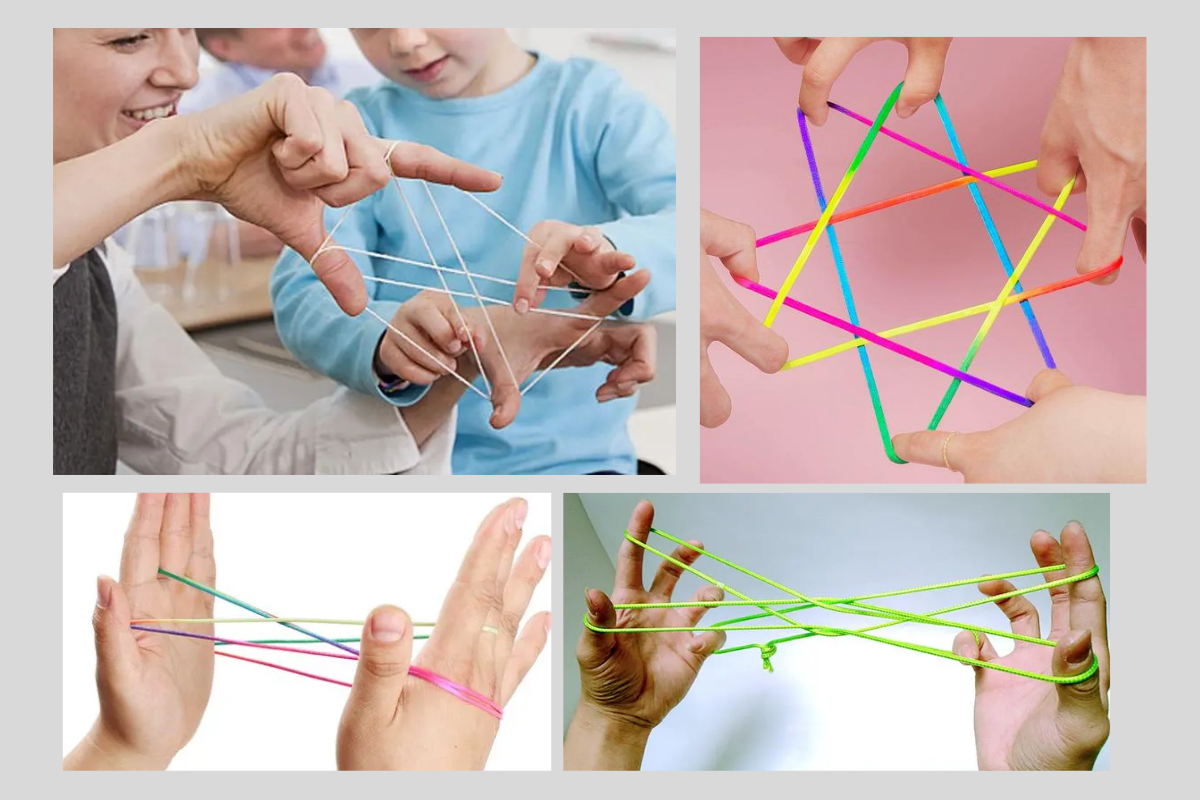
In the bustling streets of traditional Chinese neighborhoods, the sound of children spinning flower ropes fills the air. This classic childhood pastime, known as "翻花绳" (fān huā shéng) in Chinese, has been enjoyed by generations of children throughout China. In this blog post, we will delve into the art and joy of spinning the flower rope, exploring its history, cultural significance, and enduring popularity.
The Art of Spinning the Flower Rope
Spinning the flower rope involves skillfully manipulating a long rope adorned with colorful flowers. The rope is twirled around the waist, wrists, or ankles in intricate patterns, creating a mesmerizing display of movement and color. Mastering the art of spinning the flower rope绳 (shéng) requires patience, coordination, and rhythm, making it both a physical exercise and a form of artistic expression.
绳 (shéng),noun,rope
- She tied the rope to the tree.
她把绳子绑在了树上。
Tā bǎ shéngzi bǎng zài le shù shàng. - The rope is long enough to reach the ground.
绳子够长可以到达地面。
Shéngzi gòu cháng kěyǐ dàodá dìmiàn.
Cultural Significance
The tradition of spinning the flower rope dates back centuries in Chinese culture. Historically, it was practiced during festive celebrations, village gatherings, and temple fairs, adding to the vibrant atmosphere of the occasion. Beyond its entertainment value, spinning the flower rope is also believed to bring good luck and prosperity, symbolizing harmony, unity, and the cyclical nature of life.
Childhood Memories
For many Chinese children, spinning the flower rope is a cherished part of their childhood童年 (tóngnián) memories. It is a time-honored tradition passed down from older siblings, parents, or grandparents, fostering a sense of connection and continuity across generations. The laughter, camaraderie, and sense of achievement experienced while spinning the flower rope create lasting impressions that endure into adulthood.
童年 (tóngnián),noun,childhood
- My childhood memories are filled with laughter and joy.
我的童年记忆充满了笑声和快乐。
Wǒ de tóngnián jìyì chōngmǎnle xiàoshēng hé kuàilè. - Childhood experiences shape who we become as adults.
童年经历塑造了我们成年后的样子。
Tóngnián jīnglì sùzàole wǒmen chéngnián hòu de yàngzi. - I used to play with the flower rope in the park when I was a child.
我小时候经常在公园里玩翻花绳。
Wǒ xiǎoshíhou jīngcháng zài gōngyuán lǐ wán fān huā shéng。 - Her flower rope spinning skills are very good.
她的翻花绳技巧非常好。
Tā de fān huā shéng jìqiǎo fēicháng hǎo。 - They had a great time spinning the flower rope together on the street.
他们在街上一起翻花绳玩得很开心。
Tāmen zài jiēshàng yīqǐ fān huā shéng wán de hěn kāixīn.