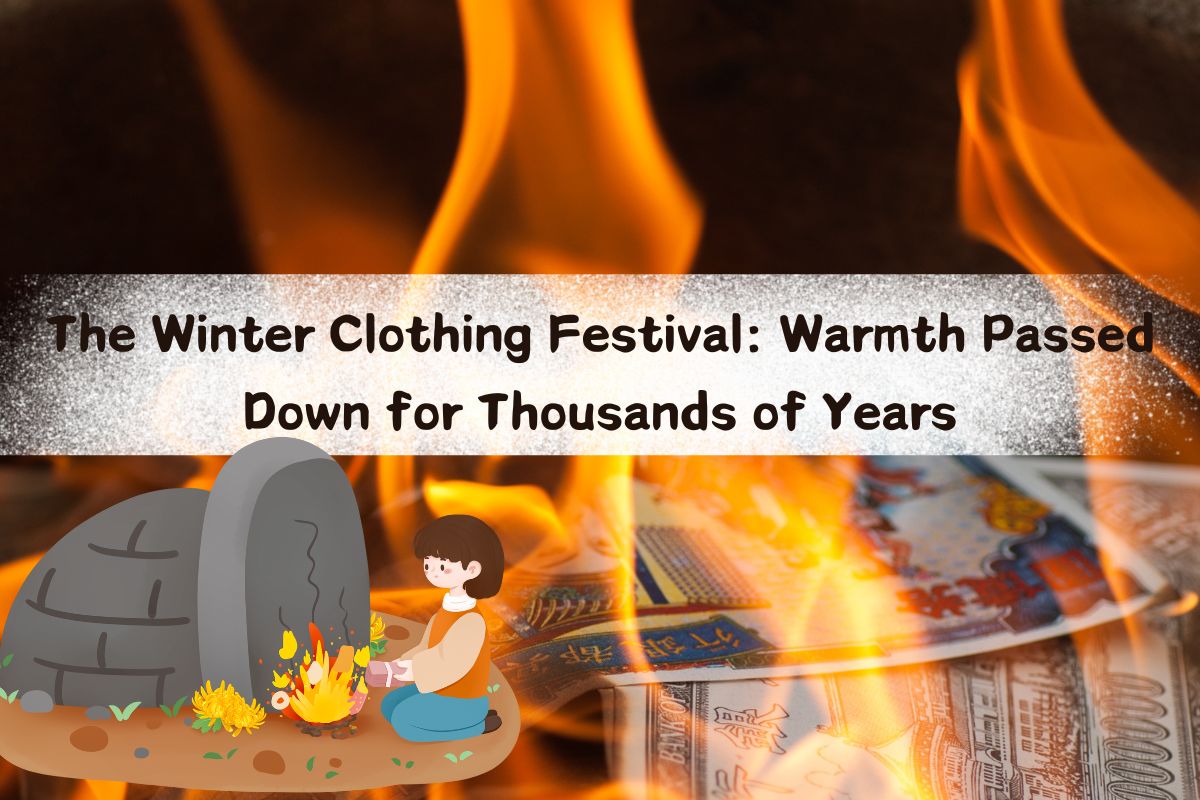
Do you know? In November, China welcomes the annual Winter Clothing Festival, which is one of the traditional sacrificial festivals in China and is also known as the "Ancestor Worship Festival". The main purpose of this festival is to send winter clothes to the deceased relatives to express remembrance and care for them. Among them, there are also many traditional folk activities and unique Chinese cultures. This article will share with you the Chinese culture behind the Winter Clothing Festival!
The Origin of the Winter Clothing Festival
According to legend, a long time ago, there was a filial son named Zhu Yuanzhang, who was also a famous emperor in Chinese history. In a cold winter, when he saw that his father's tomb was covered with snow, he was very sad. He made several pieces of clothes with cloth and burned them in front of the tomb, hoping that his father could wear these clothes to keep warm in the afterlife. Since then, people have followed suit, forming the custom of the Winter Clothing Festival.
The reason why the Winter Clothing Festival has been passed down by people all the time lies in the emphasis on filial piety in Chinese culture, that is, respect and remembrance for parents and ancestors. The Winter Clothing Festival is precisely the embodiment of this thought of filial piety. By sending winter clothes to the deceased relatives, it not only expresses the longing for them but also shows respect and love for the elders.
Traditional Customs
Sending Winter Clothes衣服(yī fu)
衣服 (yī fu), noun, clothes
Examples:
- She has a lot of beautiful clothes.
她有很多漂亮的衣服。
tā yǒu hěn duō piāo liàng de yī fu 。 - I need to buy some new clothes.
我需要买一些新衣服。
wǒ xū yào mǎi yì xiē xīn yī fu 。
One of the most important customs of the Winter Clothing Festival is sending winter clothes. On this special day, people, with deep attachment to the deceased relatives, carefully prepare various paper-made items. These items include clothes of various styles, such as cotton-padded jackets and trousers, as if they could resist the cold in the afterlife; there are also shoes with exquisite designs; and thick quilts, full of warm implications.
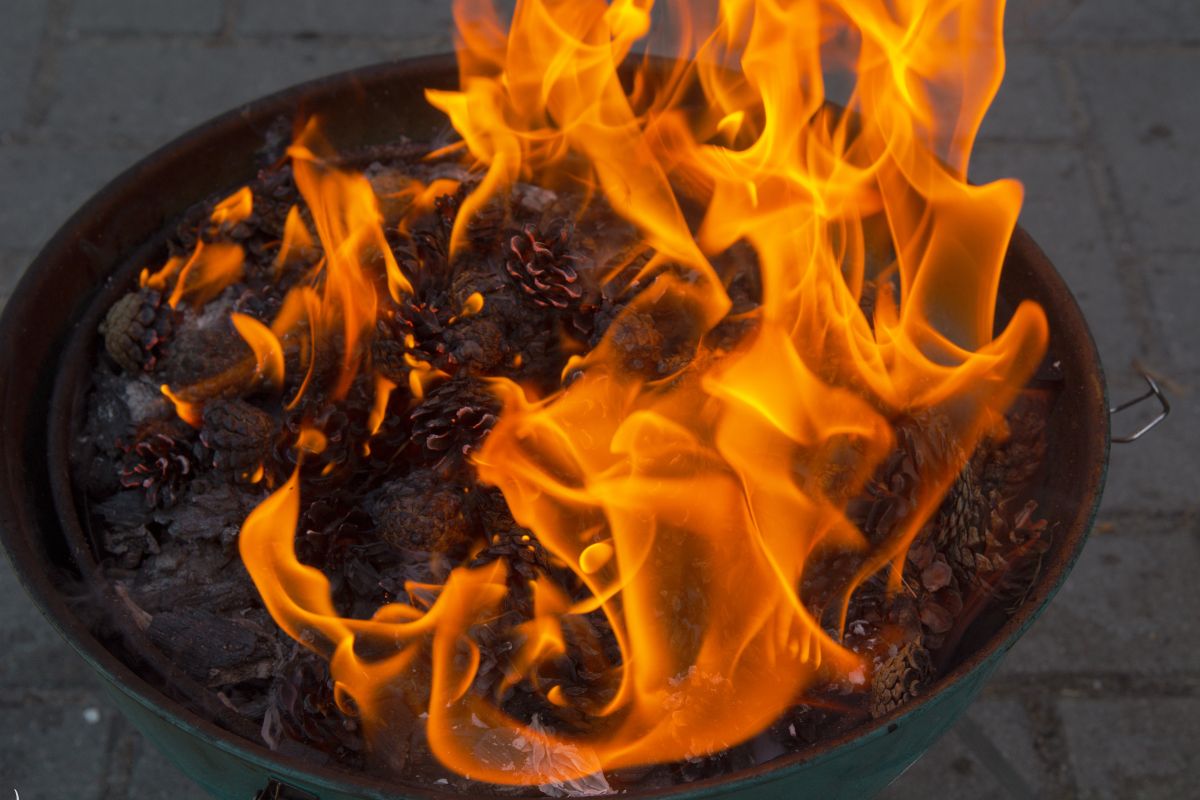
After getting these ready, people will choose a specific place at home or go to the cemetery where their relatives rest. There, they will burn these paper-made items with a heavy heart. As the flames leap and the paper ashes float away with the wind, people believe that this symbolizes sending warm clothes and warm care to the relatives in the afterlife.
In their hearts, the souls of the deceased relatives still exist. Through this way, relatives can also have enough clothes to keep warm in the cold season and spend the winter peacefully, just as they were cared for when they were alive.
Sweeping Tombs坟墓(fén mù)
坟墓 (fén mù), noun, tomb
Examples:
- They visited the ancient tombs.
他们参观了古老的坟墓。
tā men cān guān le gǔ lǎo de fén mù 。 - The tomb was surrounded by flowers.
坟墓周围摆满了鲜花。
fén mù zhōu wéi bǎi mǎn le xiān huā 。
Sweeping tombs is also an indispensable traditional custom of the Winter Clothing Festival. On this day, family members usually go to the ancestors' tombs in groups. They will carefully clear the weeds around the tomb. These weeds grow wantonly over the years, seemingly covering the tranquility of the ancestors' resting place. Pulling them out is to restore the dignity and solemnity of the tomb.
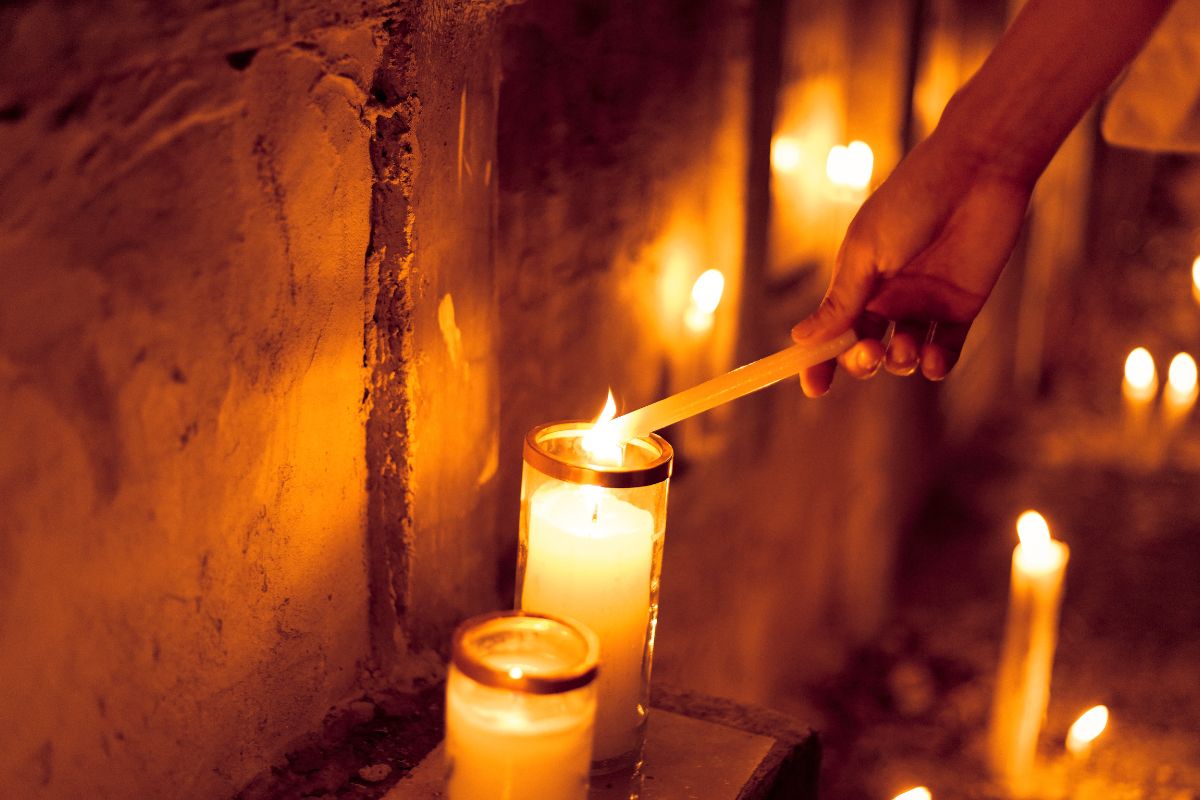
People will repair the tomb, check whether the tombstone is stable and whether the tomb soil has collapsed, and repair it. After that, the family will offer carefully prepared flowers in front of the tomb. These flowers are colorful and emit a faint fragrance, entrusting the living's longing for the deceased.
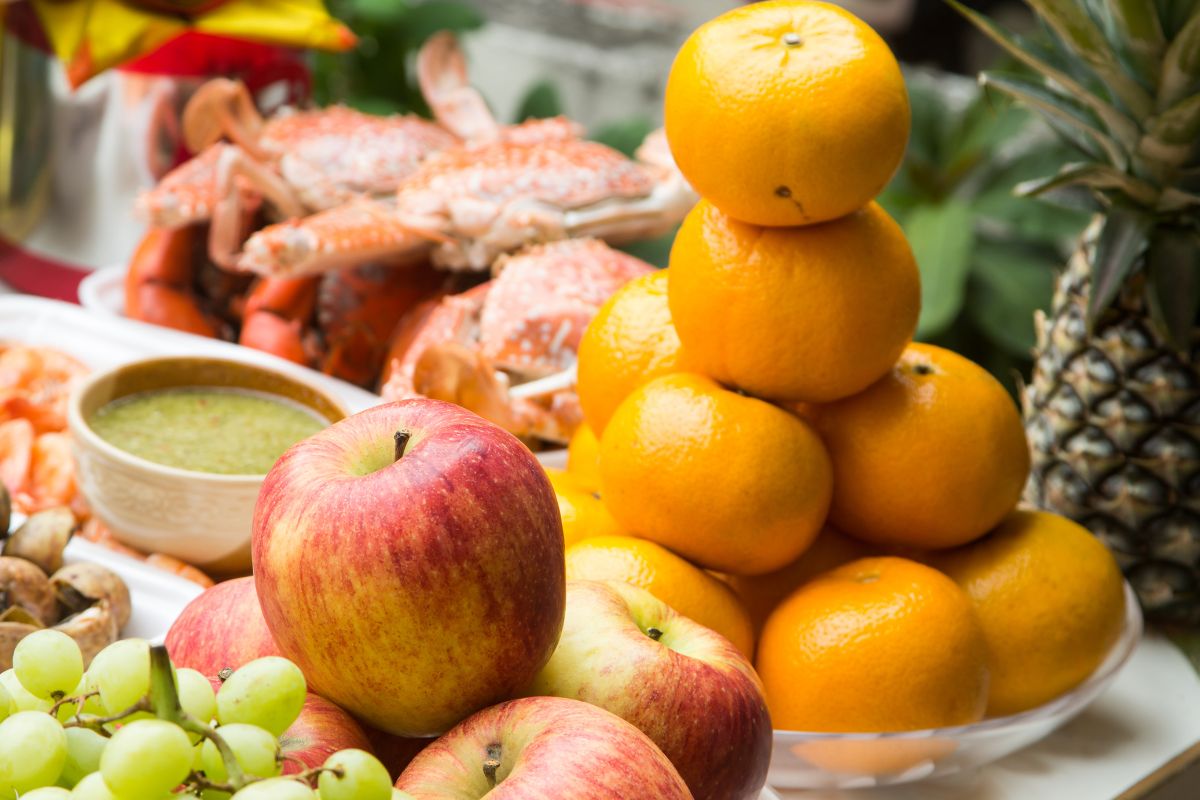
At the same time, fresh fruits and various kinds of food will also be placed. These offerings carry respect for the ancestors, as if telling the ancestors that the family is still prosperous and the descendants have not forgotten their grace and come to greet and remember them on this special day.
Worship
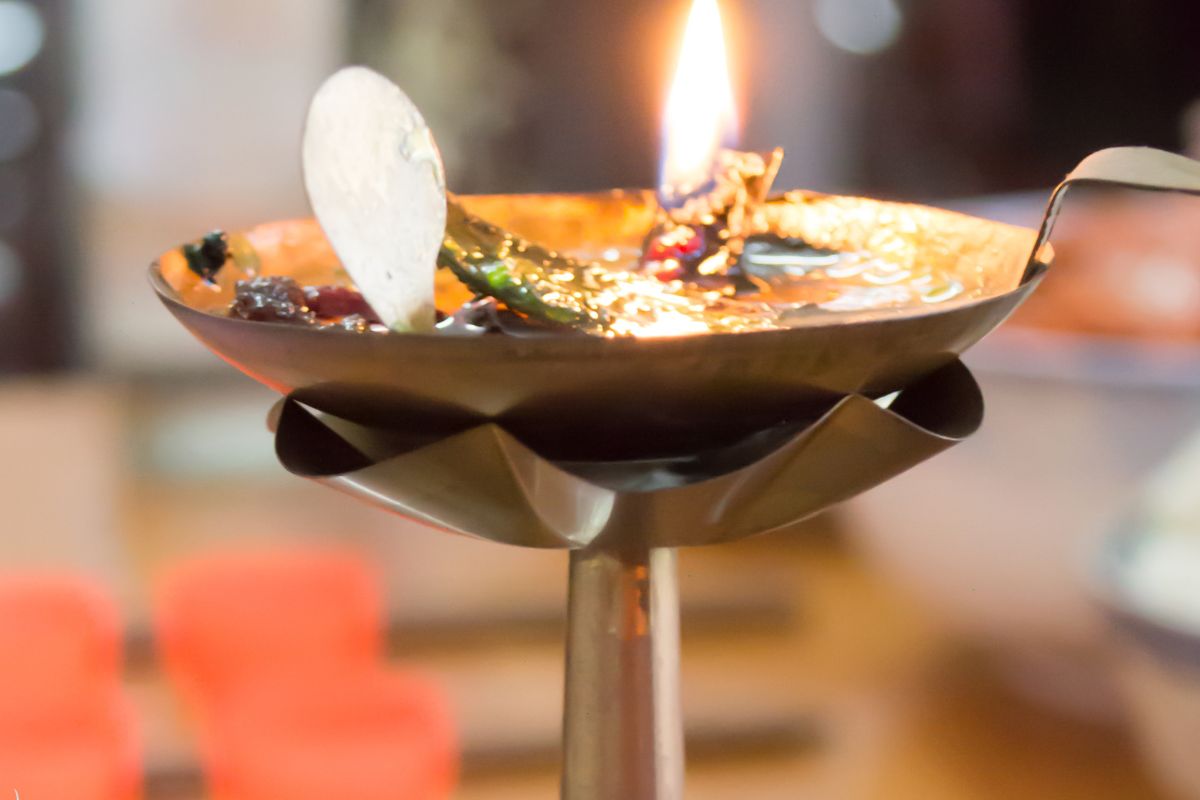
On this day, a special altar will be set up at home, and this altar is arranged solemnly. People will neatly place the ancestral tablets in the center. The names of the ancestors are engraved on the tablets, and the photos record their faces during their lifetime, which have become the emotional bonds connecting the living and the deceased. On the altar, there are foods and drinks dedicated to the ancestors.
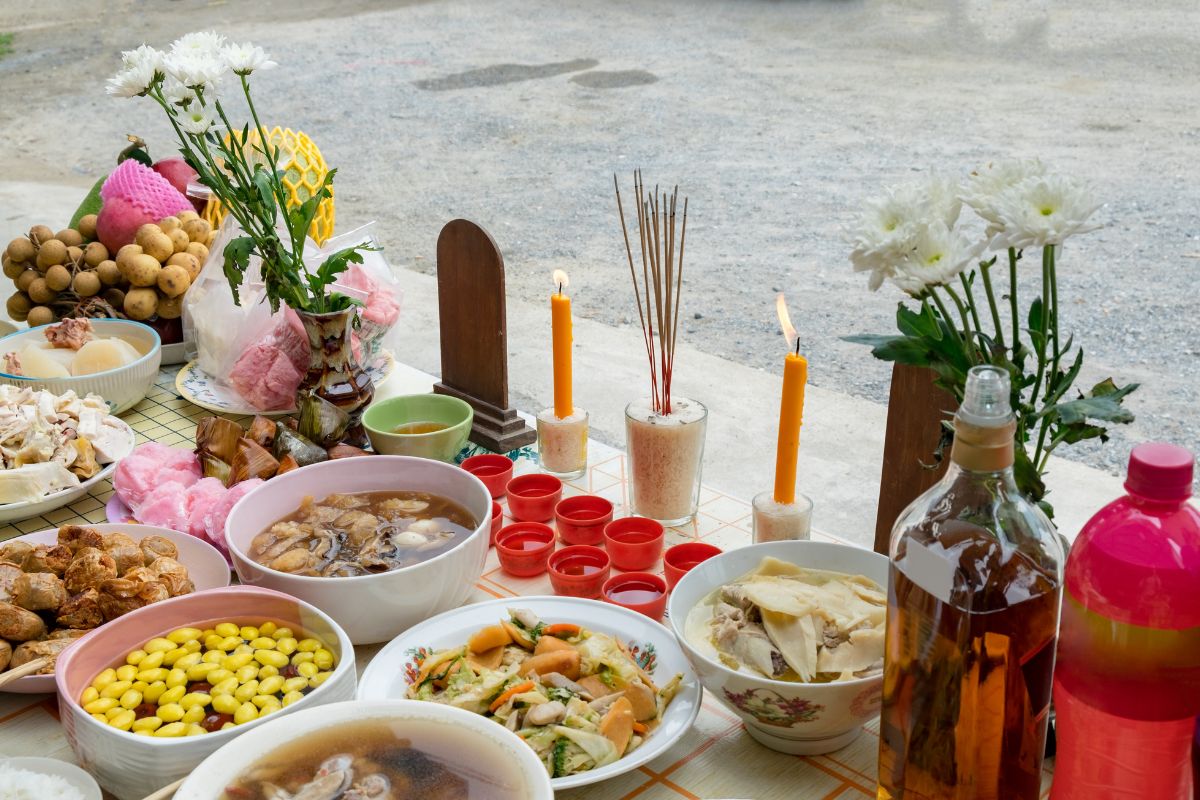
There are various kinds of food, such as steaming steamed buns, sweet pastries, fresh meat, etc. Each dish is full of the family's intentions. The drinks are contained in exquisite containers with a mellow aroma. The whole family, young and old, will gather around the altar and, led by the elders, conduct a solemn worship ceremony.
They have pious expressions, kowtow and bow, and murmur prayers, praying that the ancestors' spirits in heaven will bless the family's safety and health, and bless the family's good weather and prosperity. Every action and every prayer carries respect for the ancestors and beautiful expectations for the family's future.