
Do you enjoy savoring milk tea? The bitterness of tea is balanced by the sweetness of milk, while the richness of milk further accentuates the aroma of tea, creating a harmonious flavor profile that is neither overly sweet nor bland. Convenient to carry around, whether strolling or dining, having milk tea as a companion always adds a touch of unique flavor. It is because of this that this beverage is warmly cherished by contemporary enthusiasts. In China, milk tea not only boasts a long history of development but also reflects ongoing exploration of unique flavors. In this article, we will elaborate on this for you!
The Unique Chinese-style Milk牛奶(niú nǎi) Tea
牛奶 (niú nǎi),noun, milk
Examples:
- I'll warm up some milk.
我来热些牛奶。
wǒ lái rè xiē niú nǎi 。 - I like drinking milk.
我喜欢喝牛奶。
wǒ xǐ huɑn hē niú nǎi 。
Milk tea, simply put, is the delightful fusion of tea and milk. Its origin can be traced back to the Tang Dynasty in China when tea was typically boiled for consumption, and milk was considered a rare delicacy reserved for the royalty and nobility. Eventually, milk tea became a beloved beverage among common households. Across various regions of China, milk tea is prepared and flavored in diverse ways, with each variation embodying distinctive regional characteristics.
Xinjiang Salty Milk Tea
This classic beverage, beloved by the Mongolian people, originates from the vast grasslands. It utilizes brick tea or black tea as the base, combined with fresh milk ingeniously seasoned with a proper amount of salt. Sometimes, a hint of butter is added to enhance the aroma, topped with roasted rice for added textural contrast. The proportions and sequence of tea, milk, and salt during the brewing process significantly influence the final flavor.
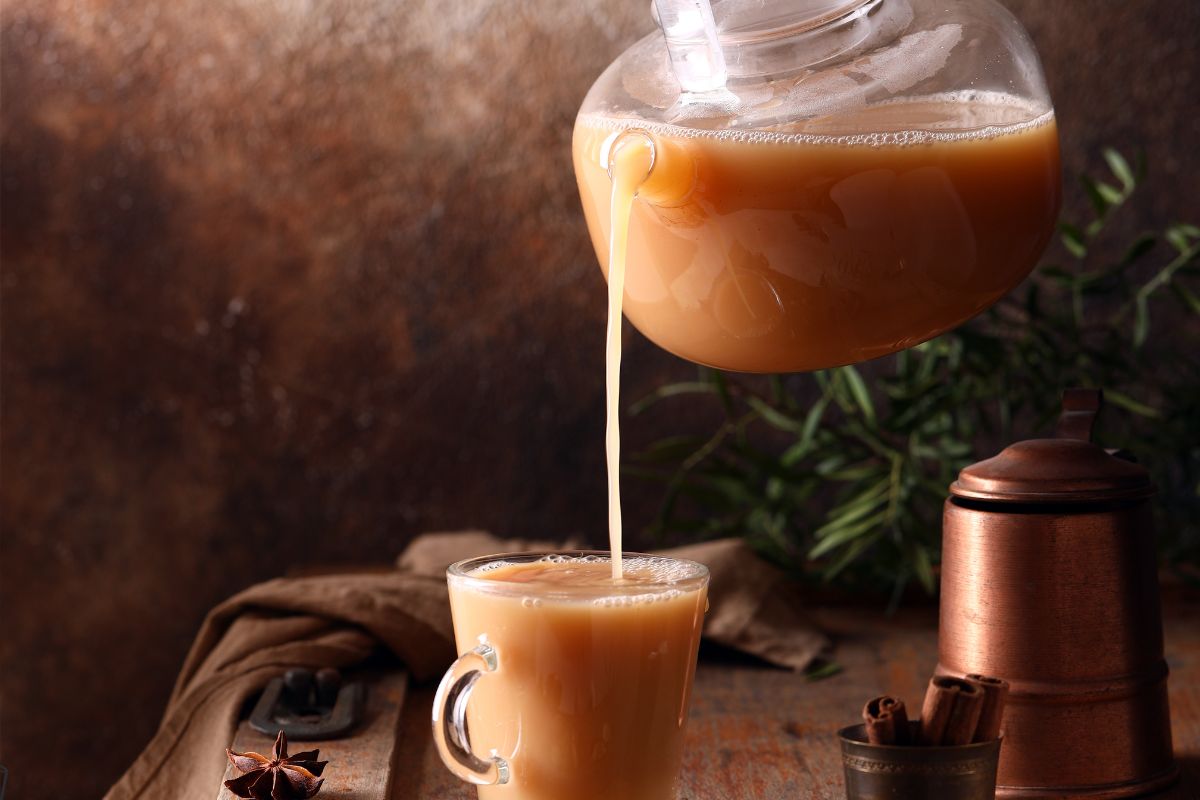
This milk tea is rich in flavor, not only delicious but also rich in nutrients, perfectly suiting the lifestyle and energy needs of nomadic communities, making it an indispensable part of their daily lives. It serves not only as a daily beverage but also symbolizes the social etiquette and familial gatherings of the Mongolian people. In a yurt, hosts often brew a pot of salty milk tea for guests as a gesture of welcome and respect.
Yunnan Pu'er Milk Tea
Pu'er tea, processed with a special fermentation technique, not only boasts a unique taste but also carries beneficial health effects like aiding digestion and reducing fat, making it popular among the masses.
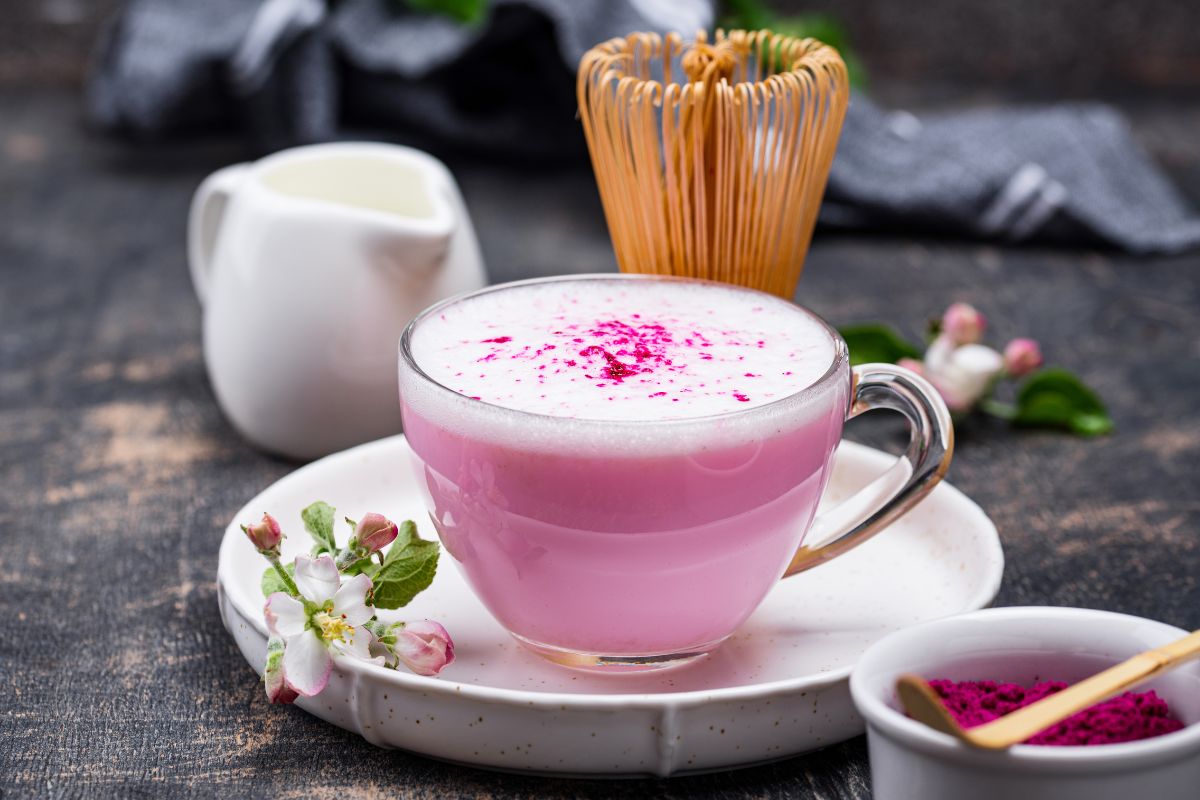
Yunnan Pu'er Milk Tea's greatest highlight lies in the seamless fusion of the deep tea aroma of Pu'er tea with the silky texture口感() of milk, creating a distinctive flavor that preserves the elegance of the tea while adding the richness of milk. During the preparation, one can also customize by adding a moderate amount of sugar or other natural spices like rose petals to enhance additional aroma and flavor. The richness of Pu'er tea and the gentleness of milk complement each other, combined with the unique floral notes, making the overall beverage layered and endlessly savory!
口感 (kǒu ɡǎn), noun, texture
Examples:
- The texture of milk tea is very rich.
奶茶的口感很浓郁。
nǎi chá de kǒu ɡǎn hěn nónɡ yù 。 - It adds texture to the soup.
它会让汤的口感更好。
tā huì rànɡ tānɡ de kǒu ɡǎn ɡènɡ hǎo 。
Taiwanese Pearl Milk Tea
The history of pearl milk tea can be traced back to Taiwan in the 1980s, particularly around 1984 when Chun Shui Tang in Taichung was considered one of the places where modern pearl milk tea was invented. According to legend, Lin Hsiu Hui, an employee of Chun Shui Tang, creatively combined traditional bubble milk tea with Taiwan's unique "boba" (pearls), giving birth to this novel beverage. Pearl milk tea quickly gained popularity locally and gradually spread worldwide.
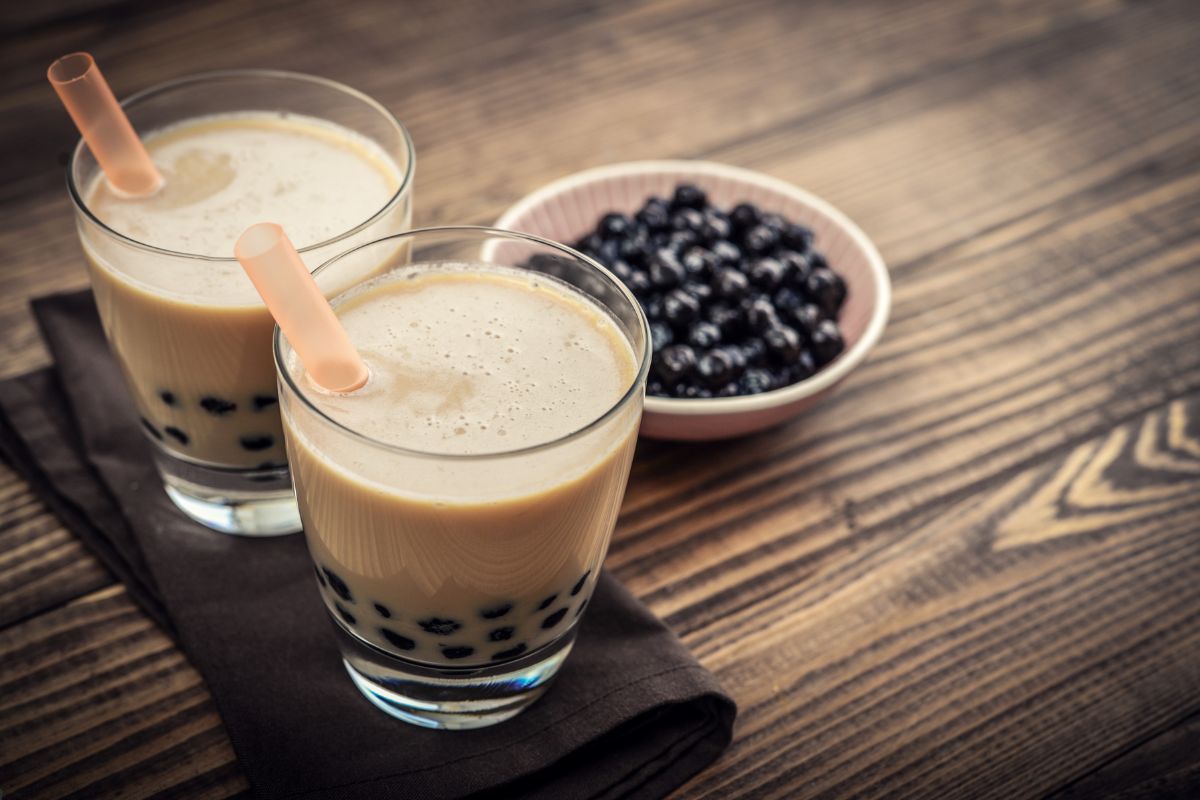
Taiwanese pearl milk tea often features black tea as the base, especially Ceylon black tea, known for its rich tea aroma and strong tea flavor, making it ideal for pairing with milk. Initially, fresh milk was used, but now plant-based creamer or evaporated milk is also common to cater to different tastes and preferences. Tapioca pearls (boba) are the hallmark of pearl milk tea, made from tapioca starch, black in color, chewy in texture. Cooked pearls are usually soaked in brown sugar water for added sweetness and fragrance. Customers can also personalize by adding syrups, honey, or lemon to adjust the flavor.
The success of Taiwanese pearl milk tea not only lies in its unique taste but also because it represents a fashionable and leisurely lifestyle attitude. From Taiwan to the international stage, pearl milk tea has become a symbol of global youth culture, leading to various adaptations like cheese-topped pearl milk tea, fruit-flavored pearl milk tea, and more.
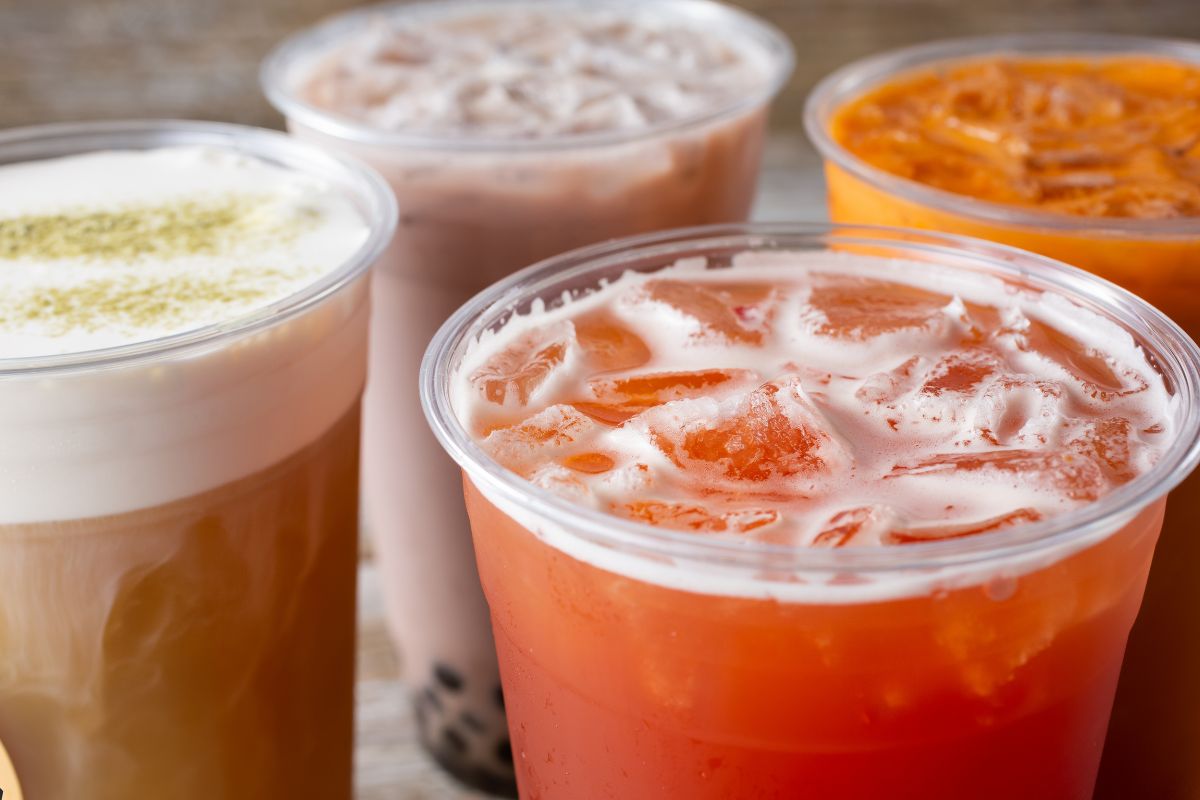
Whether it's Xinjiang Salty Milk Tea, Yunnan Pu'er Milk Tea, or Taiwanese Pearl Milk Tea, they embody the distinctive characteristics and cultures of different regions. Milk tea is not just a beverage but a way of life and a cultural symbol that accompanies people, bringing joy and satisfaction. If you have the opportunity to taste these different flavors of milk tea, I hope you can also appreciate the culture and pleasure encapsulated within the experience.