Do you know? Regarding the Chinese twenty-four solar terms, do you understand some of them? Now we have arrived at the solar term of "Lidong"! Lidong is the nineteenth solar term in the Chinese calendar, marking the beginning of winter, usually falling around November 7th or 8th in the Gregorian calendar. Following this term, the weather gradually turns colder, crops enter dormancy, and people begin preparing for winter. Amidst this transition, there are many intriguing folk activities and traditional Chinese health preservation methods. Let us delve into this solar term together!

Engaging Folk Activities
During the onset of Lidong, people are enthusiastic about nourishing their bodies with various delicious and nutritious foods. Items like chicken, duck, fish, and meat become regulars on the dining table, rich in protein and nutrients, providing ample energy for the cold winter.
In Fujian's Quanzhou, lamb and goose meat are popular ingredients on the day of Lidong. The tantalizing aroma of lamb soup fills the air, as a steaming bowl warms from the tongue to the entire body; the goose meat, whether stewed or roasted, offers unique flavors. In certain regions of Zhejiang, Lidong is commonly known as "nourishing winter," emphasizing the importance of tonics and health preservation during this solar term.
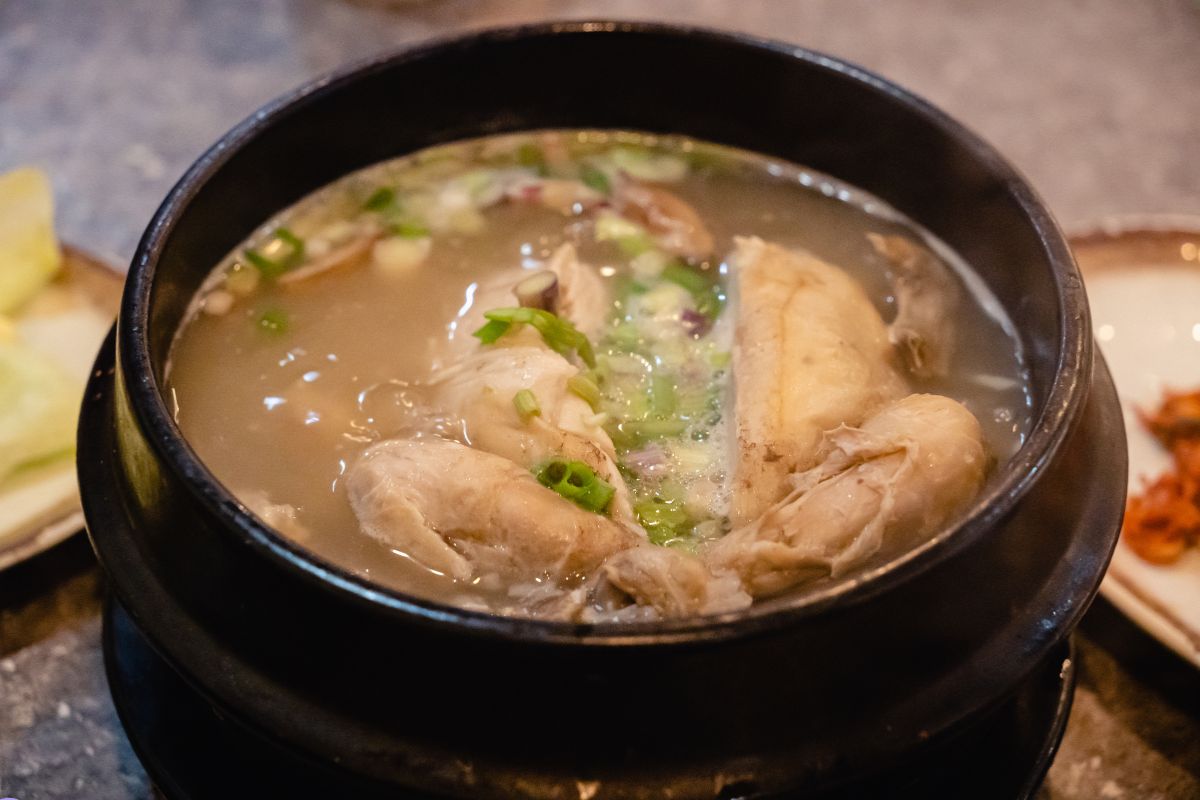
During this time, people meticulously select tender chickens or ducks, skillfully cooking them to prepare a pot of nutrition-rich soup for their families. The rich aroma permeates through the house, filled with the warmth of home and care for the family's health.
Consuming Sugar Cane
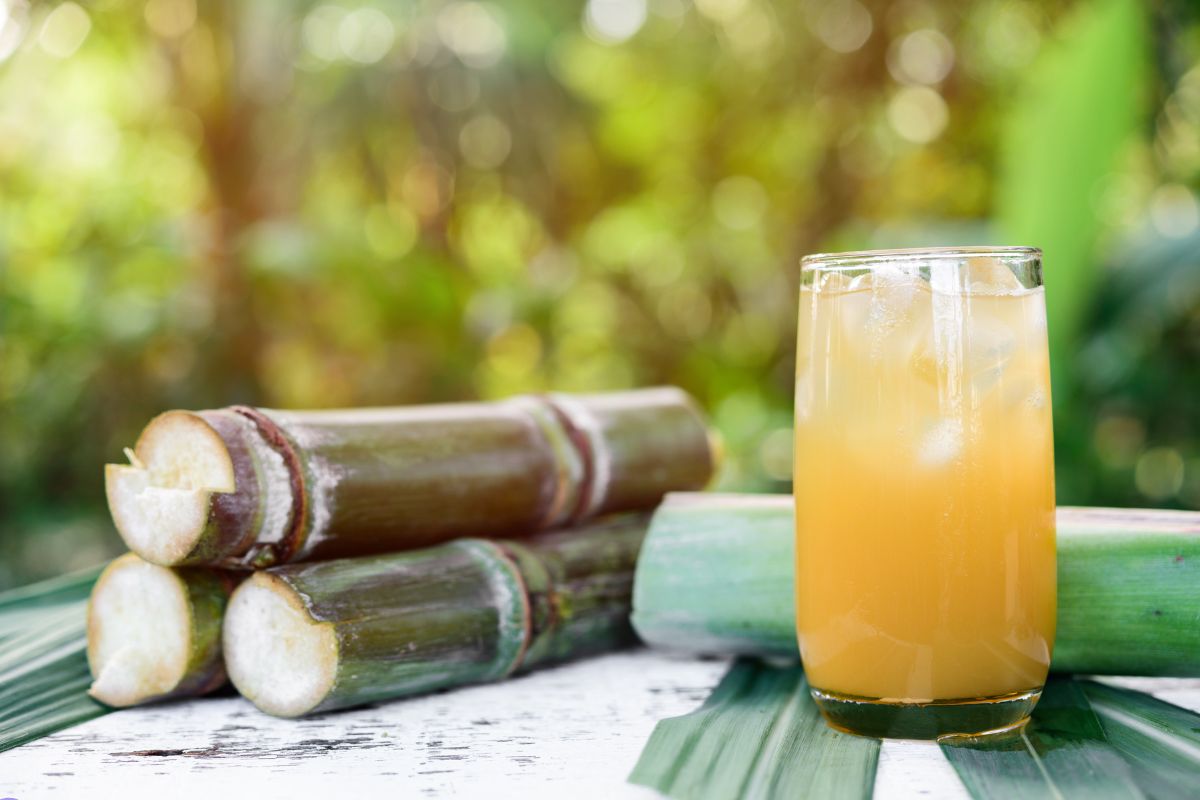
In the Chaoshan region, there is a unique custom associated with Lidong, where the saying goes, "Eating sugar cane on Lidong prevents toothache." Sugar cane becomes a beloved food during Lidong. Locals believe that consuming sugar cane during this time not only nourishes the body but also miraculously protects the teeth. The sweet and juicy sugar cane, when bitten into, releases its sweet juice in the mouth, as if carrying a special kind of enchantment.
In the Shantou region of Guangdong, it is popular to eat fragrant rice made with lotus seeds, mushrooms, chestnuts, shrimp, and carrots on Lidong. Each ingredient brings unique characteristics - the fragrance of lotus seeds, the freshness of mushrooms, the softness of chestnuts, the deliciousness of shrimp, and the sweetness of carrots, blending harmoniously. When cooked into a pot of fragrant rice, every grain absorbs the essence of the ingredients, emitting a flavorful aroma and rich texture口感(kǒu gǎn), becoming a distinctive delicacy to welcome Lidong.
口感 (kǒu gǎn), noun, texture
Examples:
- The texture of this cake is very soft.
这个蛋糕的口感非常柔软。
zhè gè dàn gāo de kǒu gǎn fēi cháng róu ruǎn 。 - The texture of the meat is quite tender.
这肉的口感相当嫩。
zhè ròu de kǒu gǎn xiāng dāng nèn 。
Making Mazi (Millet Cake)
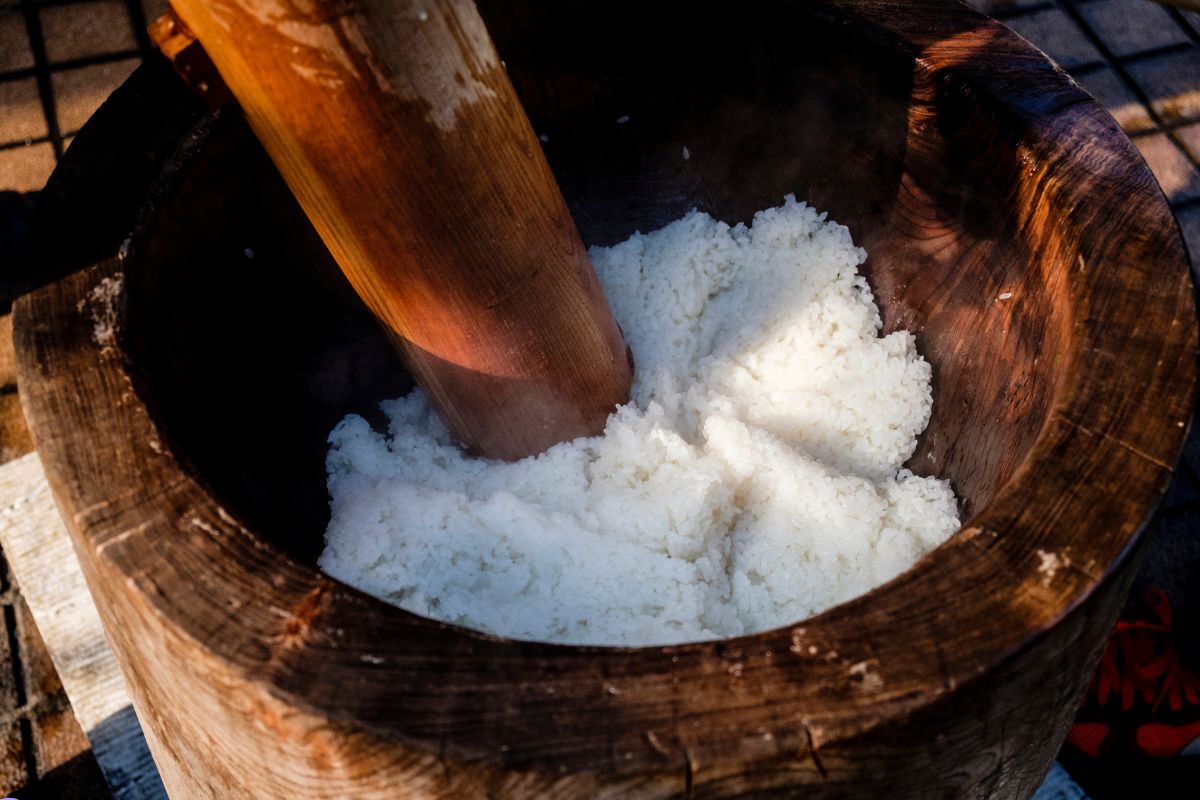
In Fujian's Pucheng, Lidong is a festival full of culinary delights. Apart from enjoying traditional delicacies like duck and chicken, a significant activity during Lidong is making Mazi cake. Making Mazi is a lively and skillful task. Firstly, the perfectly cooked, steaming glutinous rice is poured into a large stone mortar. Each plump and translucent grain of glutinous rice exudes an enticing rice fragrance.
Subsequently, the most critical step is pounding the Mazi. People lift wooden mallets high and vigorously strike the glutinous rice in the mortar. The rhythmic pounding sounds of the wooden mallet colliding with the glutinous rice in the mortar, akin to cheerful drumbeats, continue rhythmically. Through this rhythmic pounding process, the glutinous rice gradually becomes delicate and chewy.
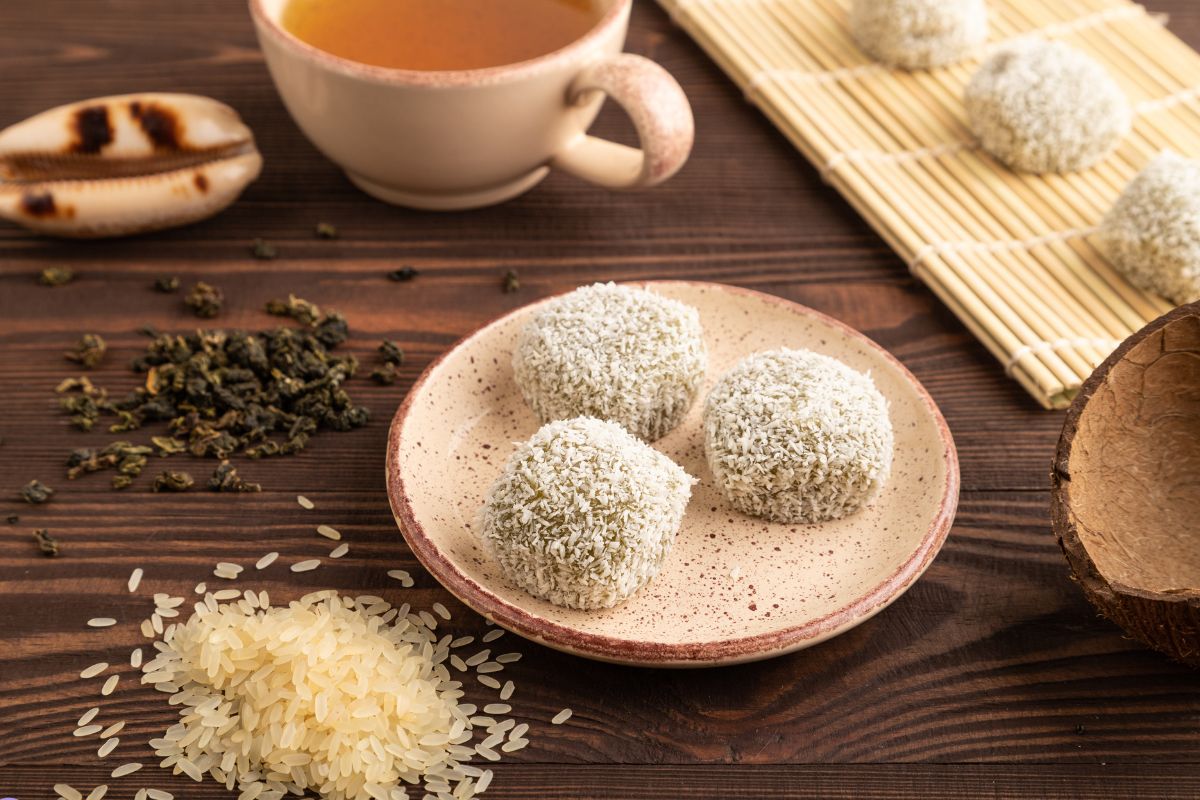
Once the Mazi is ready, it's time for the final step. People scoop out the Mazi from the mortar and place them, piece by piece, onto prepared plates. These plates contain fried and crushed sesame芝麻() mixed with sugar - the rich aroma of sesame blends perfectly with the sweet white sugar and the chewy Mazi. Savoring the Mazi coated with this fragrant sesame sugar in the mouth, the sweet and fragrant taste instantly blooms on the taste buds. The chewy texture exudes happiness with each bite, leaving a lingering flavor to savor.
芝麻 (zhī má), noun, sesame
Examples:
- Sesame is often used in cooking.
芝麻常用于烹饪。
zhī má cháng yòng yú pēng rèn 。 - These buns are sprinkled with sesame.
这些馒头撒了芝麻。
zhè xiē mán tou sǎ le zhī má 。
Winter Health Preservation
Sun Exposure for the Back
In traditional Chinese health practices, the front of the human body represents Yin while the back represents Yang. Many acupoints and meridians are situated on the back, particularly the Du Mai meridian. Regularly exposing the back to sunlight can strengthen the heart and lungs, regulate the organs' Qi and blood flow. The optimal time for sun exposure is generally between 11 am and 1 pm, with a duration of 20 to 30 minutes.

Dietary Health Supplement
In winter, it is suitable to consume warm foods to help resist the cold, such as lamb, beef, and chicken, rich in proteins that provide energy, strengthening the body's ability to withstand cold temperatures. It is essential to consume these foods in moderation to avoid excessive internal heat.