Chinese calligraphy, renowned for its beauty and elegance, encompasses various script styles, each with its own unique characteristics and artistic expression. In this blog post, we will delve into the fundamental script styles in Chinese calligraphy, exploring their history, features, and significance in the world of art.
楷体 (Kǎi Tǐ - Regular Script):
- History: Kai Shu, also known as Regular Script, originated during the Han Dynasty and became the standard script style in Chinese calligraphy.
- Features: Kai Tǐ features clear, straight, and balanced strokes, exhibiting a sense of orderliness and elegance.
- Significance: It serves as the foundation for learning Chinese characters and is widely 广泛地(guǎng fàn dì)used in official documents, printing, and everyday handwriting.
广泛地(guǎng fàn dì),adverb,widely
- Chinese calligraphy is widely practiced around the world.
中国书法在世界范围内广泛地被练习。
zhōngguó shūfǎ zài shìjiè fànwéi nèi guǎngfàndì bèi liànxí. - Traditional medicine is widely used in many Asian countries.
传统医学在许多亚洲国家广泛地应用。
chuántǒng yīxué zài xǔduō yàzhōu guójiā guǎngfàndì yìngyòng.
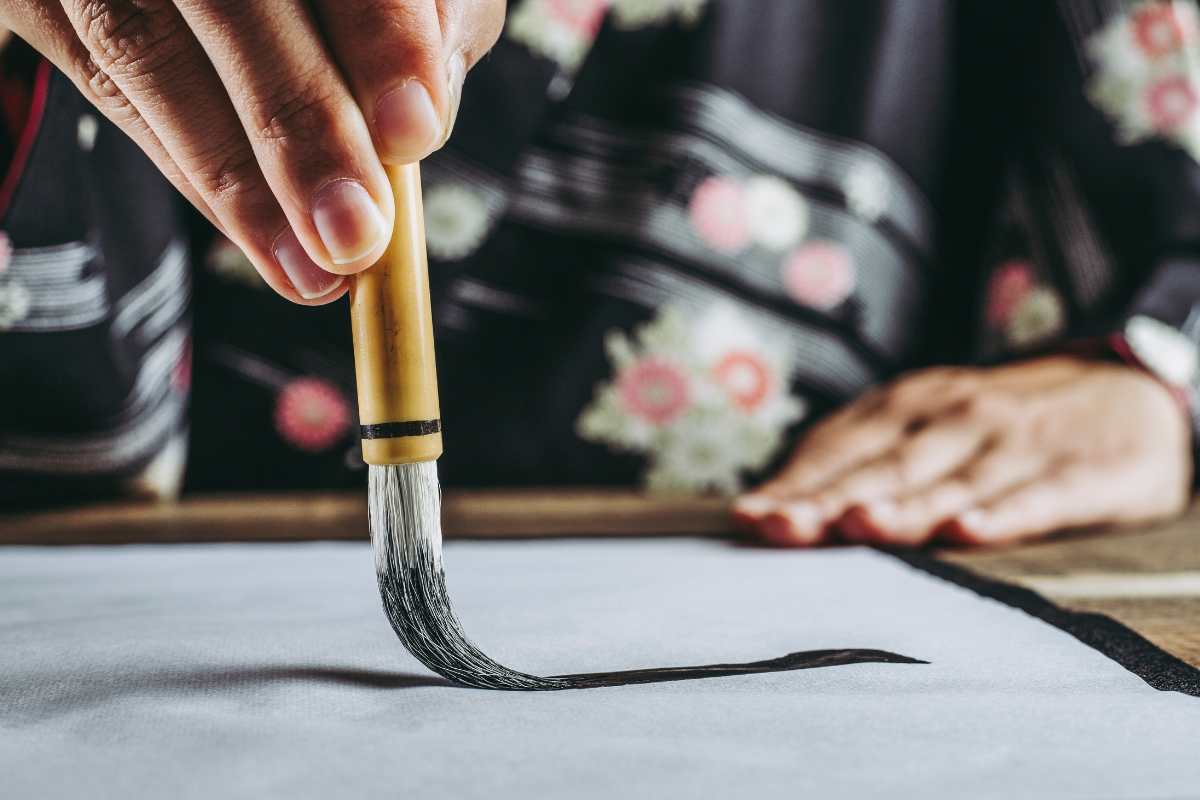
行书 (Xíng Shū - Running Script):
- History: Xing Shu, or Running Script, emerged during the Han Dynasty and gained popularity for its fluidity and speed.
- Features: Xíng Shū emphasizes rapid, flowing strokes with connected characters, conveying a sense of vitality and rhythm.
- Significance: It is favored for its expressive nature and is often used in informal writings, poetry, and artistic compositions.
草书 (Cǎo Shū - Cursive Script):
- History: Cao Shu, or Cursive Script, developed from Xing Shu and flourished during the Wei and Jin Dynasties.
- Features: Cǎo Shū is characterized by highly simplified and abbreviated strokes, often with extreme speed and fluidity.
- Significance: Despite its apparent chaos, Cǎo Shū conveys a sense of energy and spontaneity, prized for its artistic 艺术的(yìshù de)freedom and expression.
艺术的(yìshù de),adj,artistic
- She has an artistic flair for painting.
她对绘画有艺术天赋。
tā duì huìhuà yǒu yìshù tiānfù. - The exhibition showcased her artistic talent.
这次展览展示了她的艺术才华。
zhè cì zhǎnlǎn zhǎnshìle tā de yìshù cáihuá.
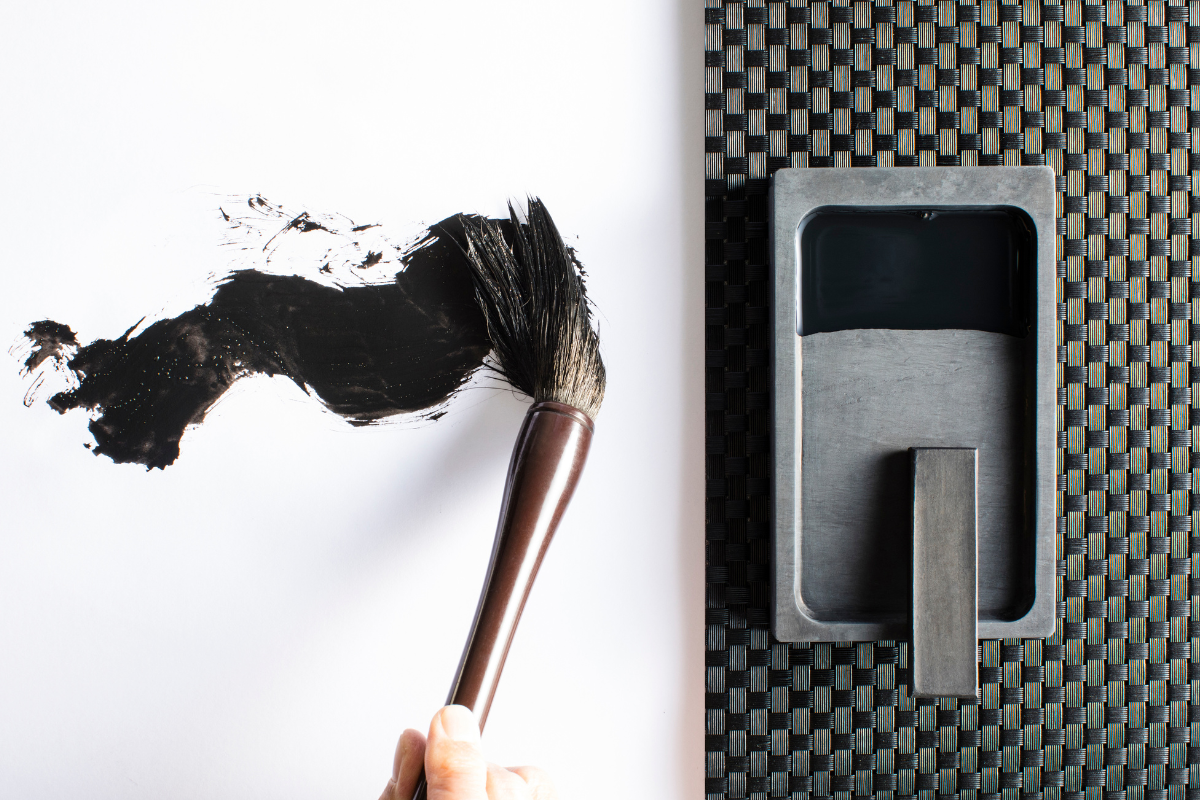
隶书 (Lì Shū - Clerical Script):
- History: Li Shu, or Clerical Script, originated during the Qin Dynasty and was used for official inscriptions and documents.
- Features: Lì Shū features angular and straight strokes, with simplified forms compared to earlier script styles.
- Significance: It served as a precursor to regular script styles and is valued for its historical significance and aesthetic appeal in inscriptions and seals.
- Chinese calligraphy has four basic script styles.
书法有四个基本的字体。
Shūfǎ yǒu sì gè jīběn de zìtǐ. - I find cursive script the most challenging.
我觉得最难的是草书。
Wǒ juédé zuì nán de shì cǎoshū. - I want to learn the running script style.
我想学习行书字体。
Wǒ xiǎng xuéxí xíngshū zìtǐ.